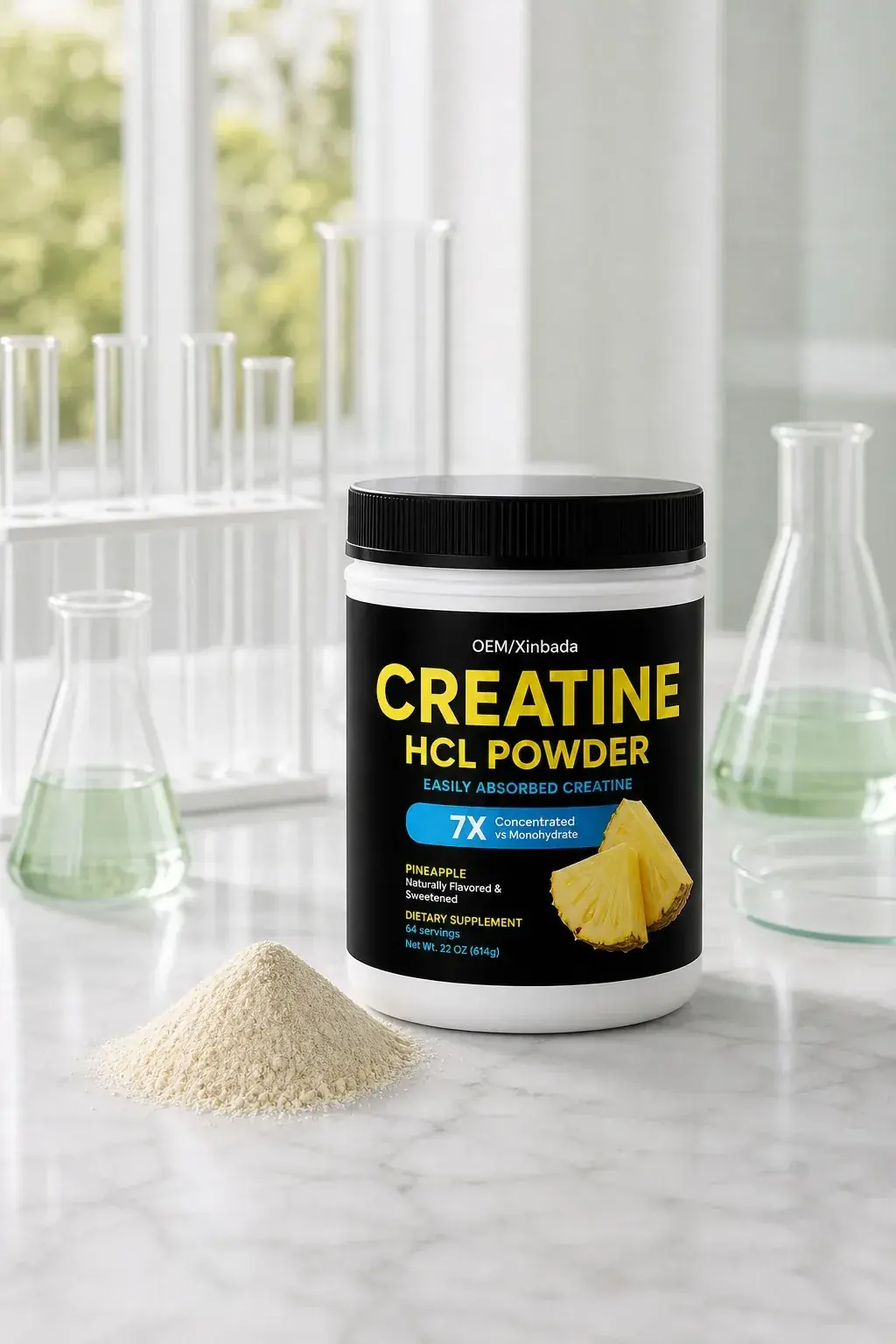
A capable protein powder manufacturer turns a commercial brief into controlled formula, material, process, packaging, and release decisions rather than merely blending powder. Two factories can quote the same flavor and pack size while offering very different batch evidence.
The Brief Must Become a Control Plan
Manufacturing begins when a product idea is translated into facts the production team can control. “Chocolate protein powder” is not yet a workable specification. The manufacturer needs the intended protein source, serving format, sensory target, dietary constraints, ingredient exclusions, pack type, label market, forecast range, and acceptance criteria. Open items should be named as decisions, not filled with convenient assumptions.
The site’s OEM and ODM service page describes formulation, packaging, and labeling options, but a buyer should still ask which choices are included in the written project scope.
- Product target: protein source, serving size, flavor direction, texture, and permitted claims.
- Commercial boundary: pilot quantity, expected order cadence, target pack, and planned sales channels.
- Compliance boundary: destination-market label rules, restricted ingredients, and required supporting files.
- Acceptance boundary: which attributes are tested, by whom, with what method, and against which limit.
Materials Create the First Manufacturing Risk
A manufacturer cannot make a consistent powder from uncontrolled inputs. Protein ingredients vary by source, processing history, particle size, flavor background, moisture behavior, and documentation. Minor ingredients such as flavors, sweeteners, colors, enzymes, minerals, or botanical components may introduce larger weighing and dispersion risks because a small mass must be distributed throughout a much larger blend.
A stronger review connects the approved material specification to identity checks, incoming status, lot traceability, storage conditions, and release authorization. FDA dietary-supplement CGMP guidance emphasizes specifications, supplier qualification, quality-control review, and documented decisions.
Ask how each lot moves from receipt to approved use, how quarantined and released materials are distinguished, and how substitutions trigger formula, sensory, label, or stability review.
Process Design Shapes Every Batch
A good production route matches the formula’s physical behavior. Powders with different bulk density, particle size, electrostatic behavior, or fat content do not automatically distribute evenly. The manufacturer should define a charging sequence, mixing time or endpoint, screening or sieving step where appropriate, in-process sampling plan, and controls for material loss and cross-contact. The exact settings are formula- and equipment-dependent, so a credible supplier explains the development logic instead of offering one universal recipe.
A bench sample can taste acceptable while a full batch exposes flow, dust, agglomeration, or flavor-distribution issues. A controlled trial should link the approved sample to the proposed equipment and record any deviations.
If a formula, ingredient source, serving mass, artwork, or package component changes, the affected documents and approvals should change with it.
Packaging Is Part of the Process
Packaging is not a decorative task added after blending. Powder flow influences filling accuracy; the closure and seal affect protection after packing; the label must match the approved formula and serving information. A large pouch, rigid container, and single-serve stick also create different sampling, coding, carton, and line-clearance needs.
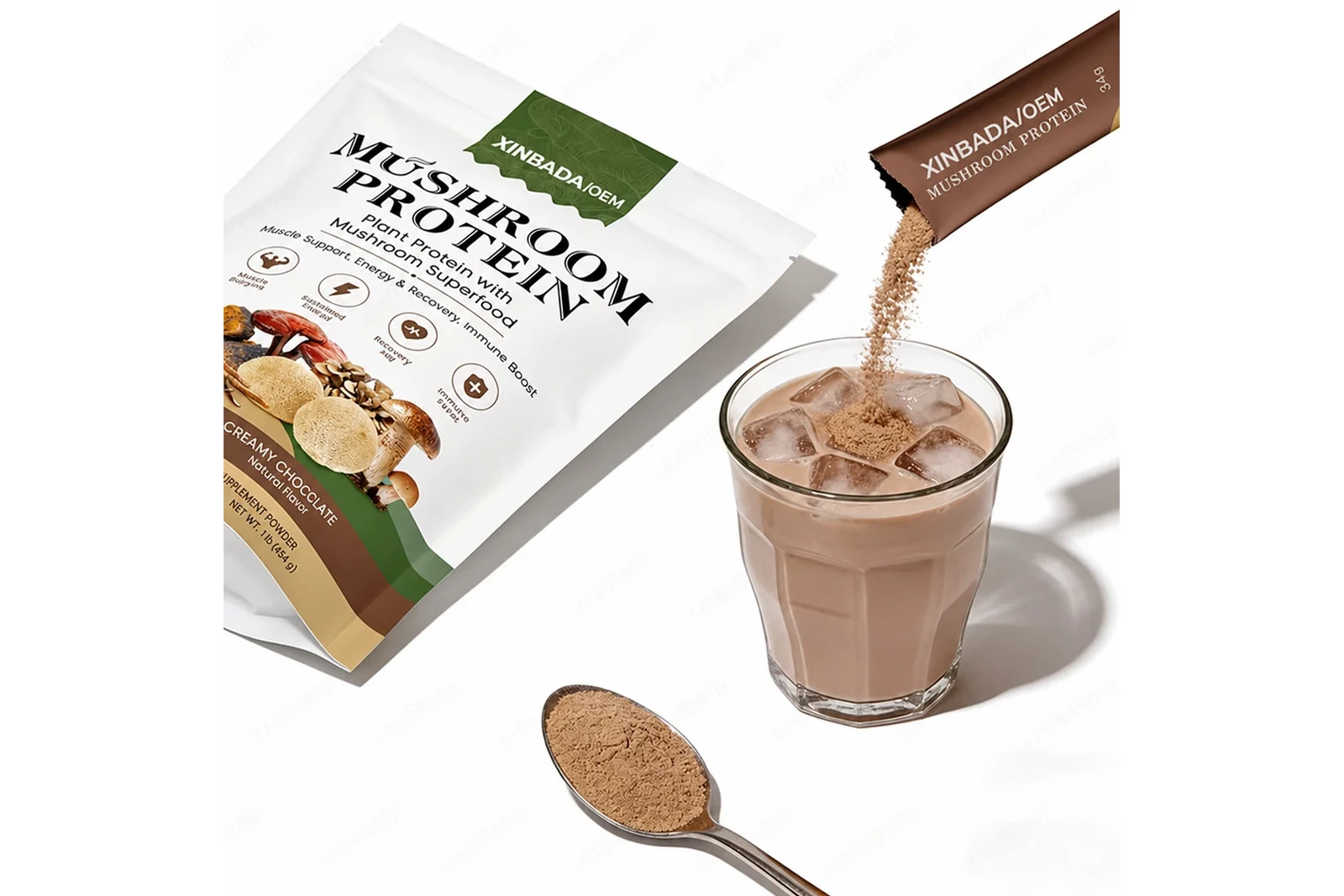
The mushroom plant protein product page illustrates a branded pouch-and-stick presentation for discussing front-panel hierarchy and pack geometry; it does not prove that the same formula or claims apply elsewhere.
Before artwork approval, identify who owns copy review, barcode verification, proof approval, version control, and final print authorization. A label mismatch can delay release even when the powder meets specification.
Evidence Makes Capability Comparable
Facility descriptions are useful for discovery, but comparable evidence makes a shortlist defensible. Independent GMP programs can show that a quality system has been audited; they are not the same as product certification, and a logo should never be inferred from a general website statement. Confirm the certificate holder, scope, issuing body, status, and relevance to the product being sourced.

| Decision Area | Weak Signal | Stronger Evidence to Request | Why It Matters |
|---|---|---|---|
| Material control | Supplier list | Approved specification, receiving status, lot traceability, and change procedure | Links each input to an authorized formula and batch |
| Production control | Equipment photos | Master instructions, batch records, line clearance, and deviation handling | Shows how the same process is reproduced |
| Quality control | “Tested” statement | Defined method, sampling point, acceptance limit, reviewer, and release record | Makes a test result interpretable |
| Packaging | Mock-up image | Component specification, approved proof, coding plan, seal checks, and carton configuration | Reduces label and transit surprises |
| Change control | Verbal notification | Written trigger, impact review, approval path, and effective date | Prevents silent substitutions |
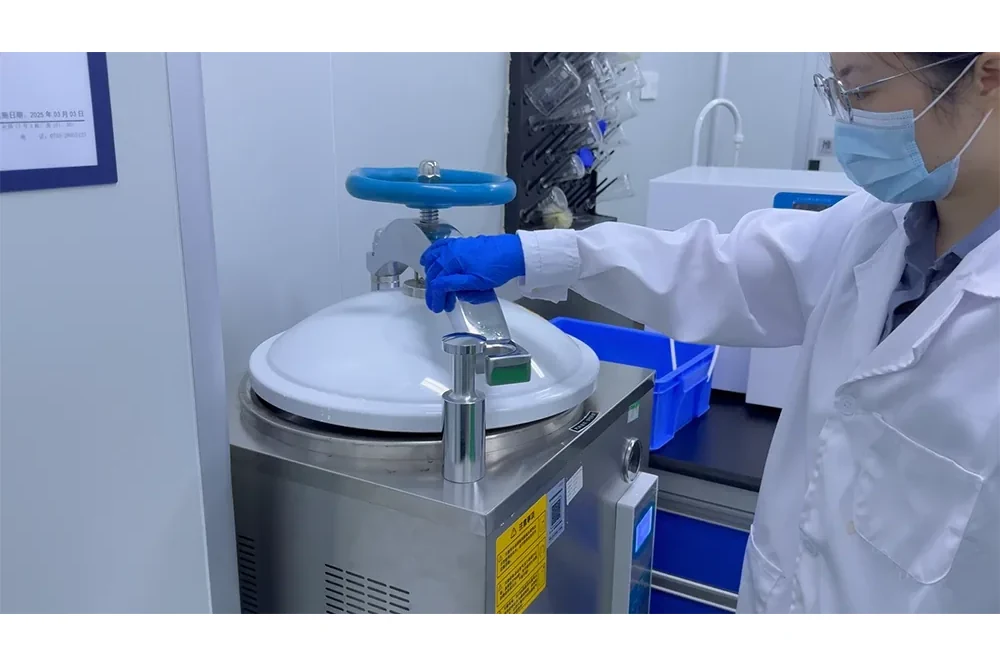
Use the company’s facility and company information to prepare a visit or video review, then connect every observation to the equipment, documents, and controls for the proposed batch.
Shortlist by Open Risk, Not Presentation Quality
The strongest candidate resolves important unknowns with relevant evidence and labels what still requires development. Review in three passes:
- Fit: confirm the product format, ingredient family, batch scale, packaging route, and destination-market support are within scope.
- Control: examine how specifications, materials, processing, labels, deviations, and release decisions are documented.
- Execution: align samples, approvals, commercial quantities, production milestones, packing, shipping terms, and responsibility for changes.
Score unresolved items separately from quoted cost. The review should end with confirmed requirements, supplier exceptions, buyer decisions, and evidence due before production.
Frequently Asked Questions
What should be sent to a protein powder manufacturer first?
Send a concise brief covering product format, protein source, serving target, flavor direction, ingredient constraints, target pack, artwork status, expected quantity range, destination market, and required evidence. Mark undecided items clearly so they become development questions instead of assumptions.
Does a facility audit prove that a finished protein powder meets its label?
No. A facility audit evaluates systems within its stated scope. Finished-product conformance depends on the approved specification, actual batch controls, sampling, test methods, acceptance limits, label review, and release decision for that product.
Why is a pilot batch useful before a commercial order?
A pilot can expose scale-sensitive issues in flow, blend distribution, flavor, filling, sealing, and artwork coordination. Its value comes from documented acceptance criteria, not appearance alone.
How can quotations from different manufacturers be compared fairly?
Issue the same controlled brief and ask every bidder to identify inclusions, exclusions, substitutions, tests, pack components, quantity basis, shipping basis, and approval milestones. Normalize those variables before comparing unit prices.
The best manufacturer decision connects commercial fit to reproducible evidence: a defined product, controlled materials, a suitable process, approved packaging, and documented release criteria.
To test that chain against a real project, send the confirmed brief and open technical questions through the project inquiry page, requesting a response that separates available capability, proposed development work, buyer approvals, and batch evidence.