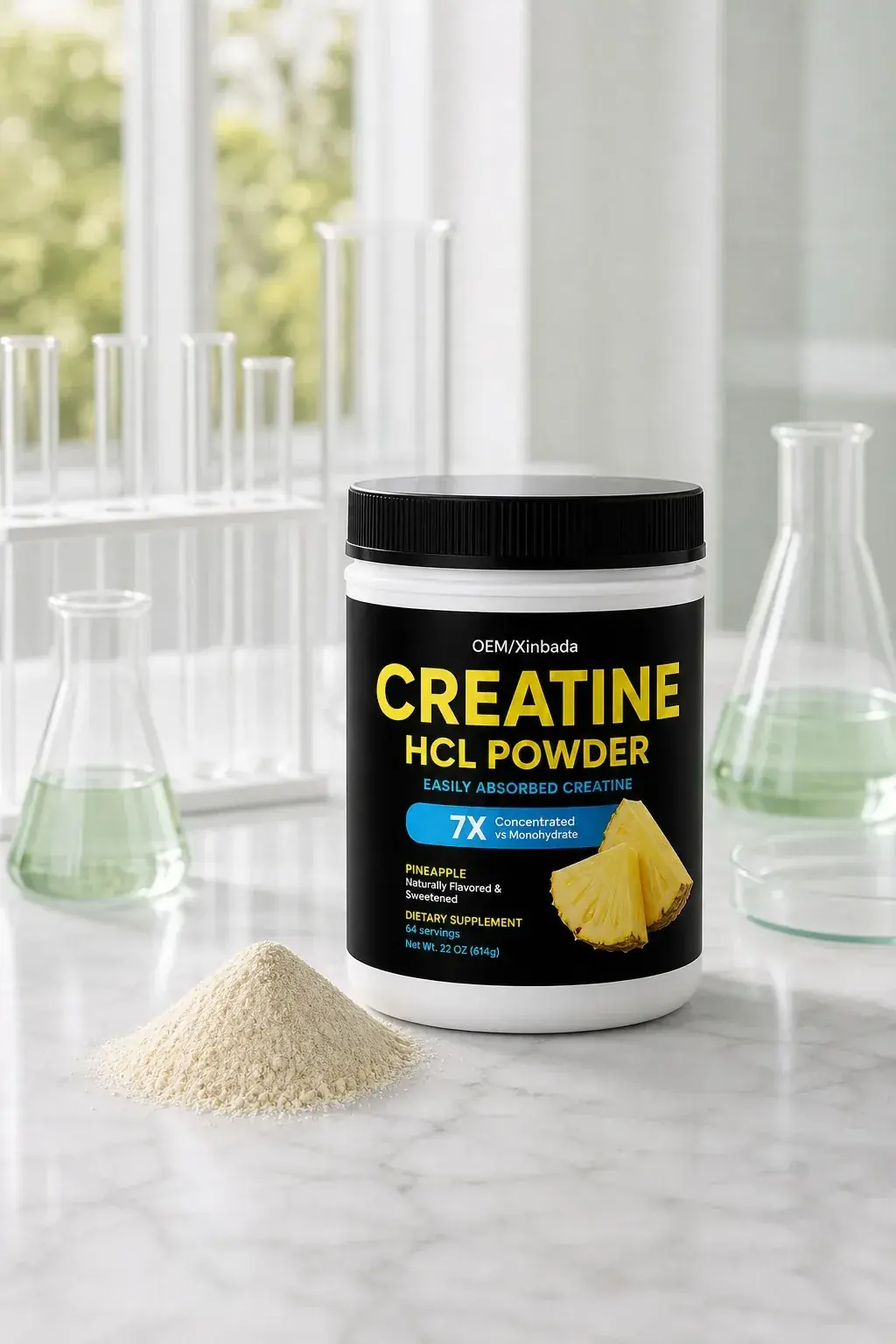
Selecting protein manufacturers requires evidence that links each formula, ingredient lot, production step, test result, and finished package to an accountable quality system. A polished sample or low unit price cannot show whether the same controls will hold after a formula change, a larger order, or a packaging revision.
The useful question is not simply whether a factory can make powder, but which records and controls will make this exact program reproducible. A focused review turns capability claims into comparable evidence before money or artwork is committed.
Define The Manufacturing Role First
The word manufacturer can describe very different operating models. One company may own the facility and control raw-material receipt, blending, filling, and release. Another may coordinate third-party plants, while a third mainly offers an existing formula with a private label. None of these models is automatically unsuitable, but the responsible parties must be visible.
Ask who owns the formula, approves suppliers, receives ingredients, performs manufacturing, releases the batch, stores retain samples, investigates complaints, and authorizes rework. For an outsourced dietary-supplement program, regulatory responsibilities do not vanish with the contract. The practical safeguard is a written responsibility matrix supported by current procedures and records.
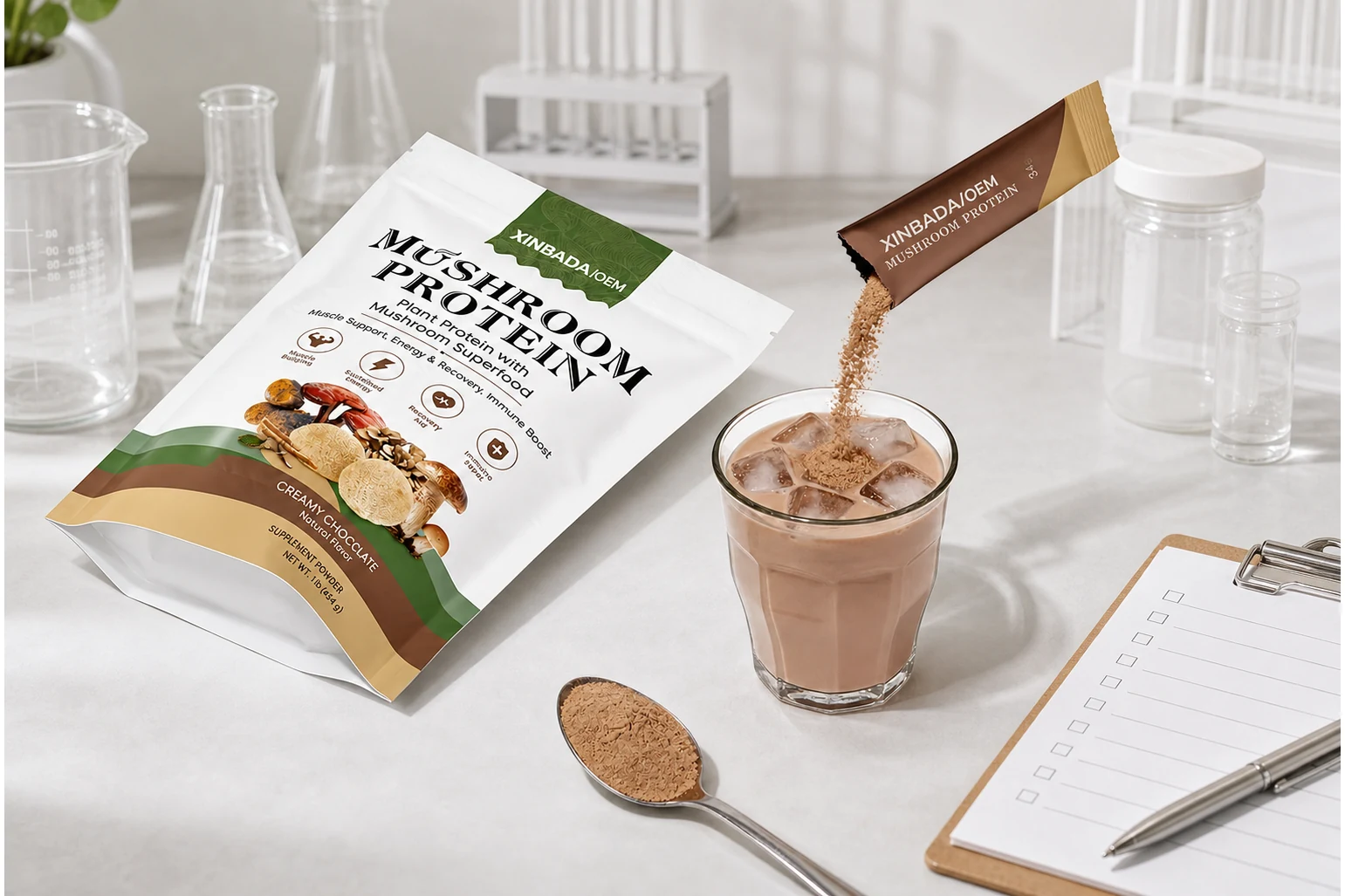
Request Evidence Before Treating Pricing As Comparable
A quotation is meaningful only when it covers the same formula assumptions, tests, pack, quantity, and release requirements. The evidence below helps separate a production-ready response from a price built on unstated substitutions.
| Evidence | What It Should Clarify | Warning Sign |
|---|---|---|
| Formula and master specification | Ingredient identity, target amounts, tolerances, sensory targets, and serving basis | A generic flavor name without a controlled version |
| Supplier-approval records | How ingredient sources are qualified, monitored, and changed | Country of origin used as the only qualification |
| Batch record example | Material traceability, equipment, sequence, yields, checks, and sign-offs | A certificate alone with no production history |
| Testing plan | Identity, microbiological, chemical, contaminant, and finished-product criteria | “Standard testing” without methods or limits |
| Deviation and complaint process | Investigation ownership, disposition, escalation, and records | No defined path for atypical or failed results |
Trace The Formula Through One Hypothetical Batch
Choose one realistic SKU and walk it from purchase order to release. This exercise exposes gaps that a general capabilities deck can hide. Start with the approved ingredient list and ask how each lot is received, quarantined, sampled, identified, issued, and reconciled. Then follow the blending sequence, in-process checks, fill-weight control, seal inspection, code verification, finished-product testing, release, and record retention.
Protein powders create practical questions about mix uniformity, flavor systems, allergens, dust control, and cleanout. The appropriate controls depend on the formula and equipment, so avoid accepting universal answers. A supplier offering OEM and ODM development should be able to show where a custom brief becomes an approved formula, how trials are documented, and who authorizes changes after approval.
- Ingredient change: define notification, equivalency review, label impact, and revalidation triggers.
- Packaging change: define compatibility, sealing, coding, transit, and artwork approval responsibilities.
Read Facility Evidence In Context
Photographs and equipment lists are orientation, not proof of control. Use the supplier’s facility overview to identify relevant processes, then request dated evidence for those areas. Confirm that the quoted line, room, vessel, filler, and pack format match the planned batch.
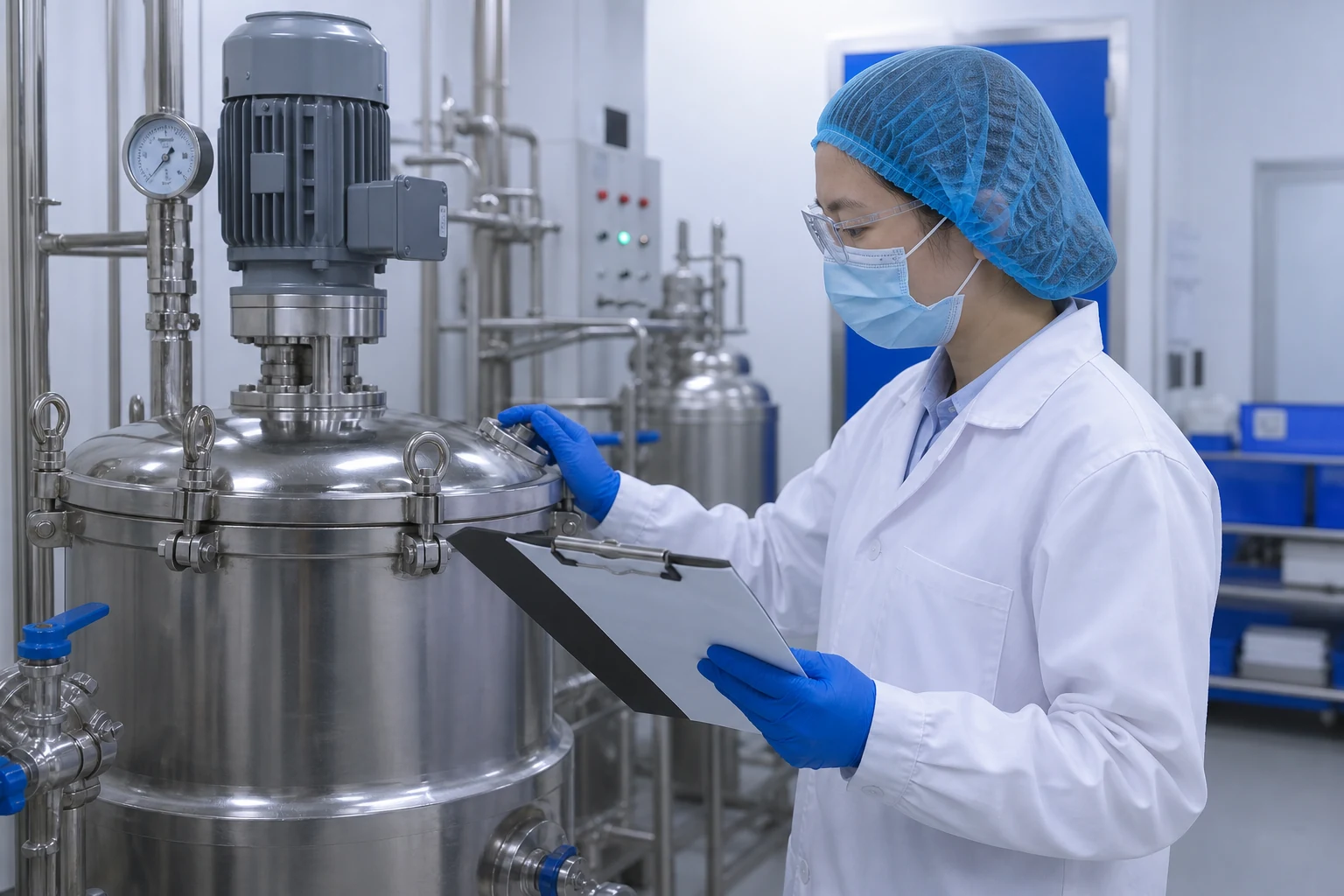
During a remote or onsite assessment, follow the movement of people, materials, waste, and records. Look for status identification, segregation, line clearance, calibrated measuring devices, sanitation verification, pest control, environmental conditions, and controlled access to labels and packaging. The objective is not to reward a photogenic room; it is to understand how errors are prevented, detected, recorded, and closed.
Test Commercial Resilience, Not Just Capability
Connect manufacturing evidence to operating reality. Ask for the minimum batch, component lead times, production window, release timeline, shelf-life basis, storage conditions, forecast expectations, and change-order rules. Separate one-time and recurring costs.
Frequently Asked Questions
Is A Certificate Enough To Qualify A Protein Manufacturer?
No. A certificate can support due diligence, but scope, issuing body, dates, covered activities, audit findings, and corrective actions still matter. Product-specific records show whether the system operates for the proposed formula and pack.
When Should A Quality Agreement Be Discussed?
Discuss responsibilities before final commercial approval, then complete the agreement before production. Waiting until after artwork or deposits can reveal late conflicts over testing, release, deviations, complaints, or changes.
How Many Samples Are Needed Before Production?
There is no universal number. Use enough controlled rounds to resolve formula, sensory, processing, and packaging risks. Each round should have a version, purpose, acceptance criteria, and recorded decision.
What Should Be Verified Again Before The First Batch?
Confirm the final formula, specifications, approved suppliers, test plan, label and artwork version, packaging bill of materials, batch size, release authority, shipping configuration, and change status.
Make The Shortlist Defensible
The strongest shortlist is not the one with the most claims; it is the one where each important risk has an owner, an acceptance criterion, and an auditable record. Compare candidates using the same SKU scenario, identify every deviation, and keep price beside—not ahead of—the evidence needed to repeat the product.
For a protein-specific evidence package, send the formula stage, serving target, test expectations, package format, and forecast through the project contact form and request that assumptions and open decisions be returned in writing.