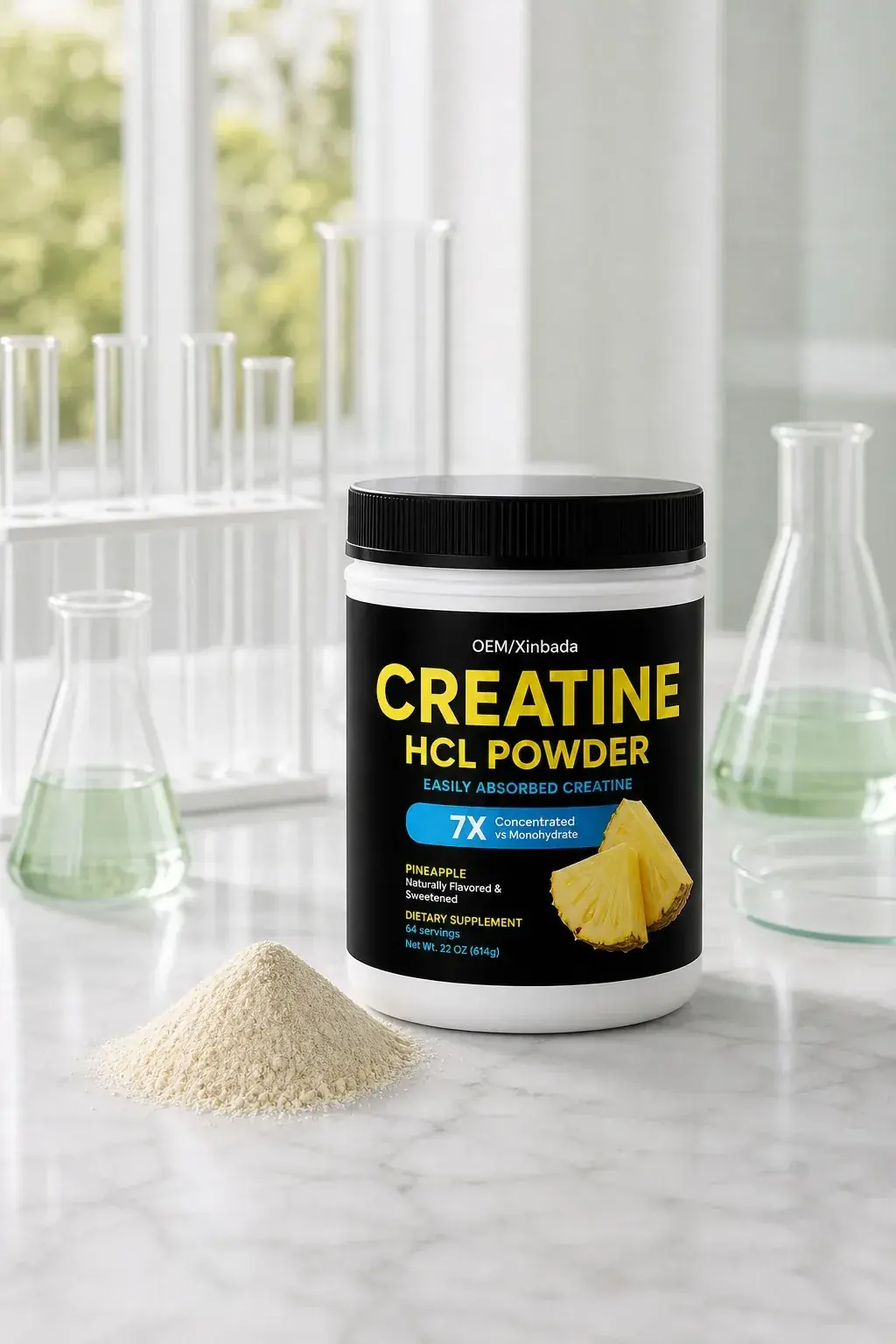
Qualified whey protein manufacturers prove control through documented specifications, traceable inputs, process records, release testing, and packaging accuracy. A polished sample or low unit price cannot show whether a plant can reproduce the same powder, flavor, label, and delivery condition across commercial batches. The useful comparison is therefore evidence against an agreed product brief, not a list of promotional claims.
Define The Manufacturing Scope Before Comparing Plants
A manufacturer search becomes meaningful only after the product is defined. “Whey protein” may describe concentrate, isolate, hydrolyzed material, or a blend with flavors, sweeteners, enzymes, vitamins, minerals, or other proteins. Those choices change allergen controls, sensory work, label content, testing, equipment cleaning, packaging, and cost. Ask every candidate to respond to the same brief so that apparent capability can be compared on equal terms.
- State the intended whey type, target protein declaration, serving size, flavor system, and ingredient exclusions.
- Identify the sales format: bulk powder, tub, pouch, sachet, or stick pack, together with fill weight and closure.
- Separate mandatory requirements from preferences, and mark every item that still needs technical confirmation.
- Define who controls formula approval, artwork, supplier selection, test methods, retained samples, and batch release.
The site's OEM and ODM service page presents custom formulation, packaging, labeling, production, and logistics as separate workstreams. That structure is useful for a supplier brief because it prevents a vague “full service” promise from hiding unresolved ownership.
Ask For Control Evidence, Not A Certificate List
Regulatory and certification language should lead to verifiable records. For dietary supplements sold in the United States, FDA's 21 CFR Part 111 framework covers written procedures, component and finished-product specifications, production controls, quality-control decisions, packaging and labeling controls, and records. A brand that outsources operations still needs enough oversight to understand how the contracted work is performed and whether the finished lot meets the agreed specifications.
Request the scope, issuing body, site address, and validity dates for any certificate. Then connect that document to operating evidence: a redacted master manufacturing record, example batch record, deviation workflow, change-control form, calibration schedule, sanitation procedure, and sample certificate of analysis. The question is not simply “Are you certified?” but “Which facility, process, and product decisions does this evidence cover?”
The site's GMP compliance overview can help frame initial questions, while the current facility scope and project records still need direct verification.
Evidence is strongest when one document can be traced to the facility, the formula version, the production lot, the test method, and the final release decision.
Trace One Hypothetical Lot From Material To Release
A qualified plant should be able to explain a lot in sequence. Start with the whey ingredient and ask how the supplier is approved, how identity and condition are checked at receipt, how lot codes are maintained, and how material is protected before use. Continue through weighing, blending, in-process checks, filling, coding, finished-product sampling, quarantine, release, storage, and dispatch. Clear handoffs reveal more than a generic factory tour.
Protein powder also makes sensory and physical consistency important. Ask how the team approves color, odor, flavor, particle behavior, bulk density, scoop or sachet fill, and reconstitution expectations when those properties are part of the specification. Do not assume one test proves every attribute. The manufacturer should distinguish supplier documents, in-house checks, and independent laboratory results, and explain what happens when a result falls outside a limit.

Compare Manufacturing Proof On One Scorecard
A short scorecard keeps the selection focused on supplier capability rather than presentation quality. Score only evidence that has been reviewed, note open questions, and avoid assigning equal weight to unrelated documents. Product fit and control depth should be resolved before commercial terms dominate the decision.
| Decision Area | Evidence To Request | What A Strong Response Shows | Warning Sign |
|---|---|---|---|
| Product fit | Written capability response to the exact formula and pack | Requirements, assumptions, limits, and deviations are explicit | A nearby standard product is substituted without disclosure |
| Material control | Supplier qualification logic, receiving checks, and traceability example | Ingredient identity and lot status remain connected | Reliance on a certificate with no defined verification |
| Process control | Redacted record flow, line clearance, sanitation, and change control | Repeatability and cross-contamination risks are managed | Answers depend on verbal practice rather than records |
| Release testing | Specification, method, laboratory role, and sample COA | Every result maps to a limit and release authority | “Pass” is reported without method, unit, or acceptance criterion |
| Packaging and label | Artwork approval, component inspection, code checks, and reconciliation | The approved formula, facts panel, pack, and lot code stay aligned | Packaging is treated as decoration after production is complete |
Run A Gated Supplier Review Before The Purchase Order
Move candidates through evidence gates rather than requesting everything at once. First, screen for technical fit and willingness to state limitations. Second, review facility and quality documents. Third, evaluate a development sample against a written sample plan. Fourth, resolve formula, label, packaging, test, and release responsibilities in a quality agreement or equivalent controlled document. Finally, confirm the commercial schedule only after technical assumptions are frozen.
- Send one controlled brief and require a written deviation list.
- Review the proposed ingredient sources, specifications, and allergen controls.
- Compare samples under consistent preparation and evaluation conditions.
- Record every change between sample, pilot, approval, and production versions.
- Link payment and production milestones to named approvals and deliverables.
A broader review of the manufacturer's company and capability information can help prepare questions, but site statements should still be reconciled with current, project-specific evidence. This keeps the shortlist defensible even when two suppliers describe similar services.
Frequently Asked Questions
Does A GMP Certificate Prove A Whey Protein Product Will Meet Its Specification?
No. A certificate can support facility-level due diligence, but the product still needs an approved specification, controlled manufacturing instructions, appropriate testing, and a documented release decision. Verify the certificate's issuer, scope, facility, and current status, then examine the records relevant to the proposed product.
Should A Buyer Approve The Formula Or The Finished Sample?
Both serve different purposes. The formula and specification define what must be produced; the sample shows one physical and sensory result. Approval should identify the formula version, ingredients, flavor, color, serving basis, packaging, preparation method, and acceptance criteria so the sample cannot drift into an informal reference.
Which Documents Matter Most Before A Pilot Batch?
Prioritize the controlled product brief, ingredient and finished-product specifications, allergen statement, test plan, proposed master manufacturing instructions, packaging specification, artwork responsibility matrix, and change-control route. Other documents can follow according to product risk and market requirements.
How Can Two Manufacturers Be Compared When Their Test Packages Differ?
Create a common minimum test matrix and ask each supplier to map its proposed methods, limits, timing, and laboratory responsibility to it. Record extra tests separately. A price comparison is valid only when the release evidence and assumptions are visible beside the quoted cost.
For a project-specific capability review, send the formula brief, package format, required evidence, and test matrix through the manufacturer contact form, then request that every assumption and deviation be returned in writing.