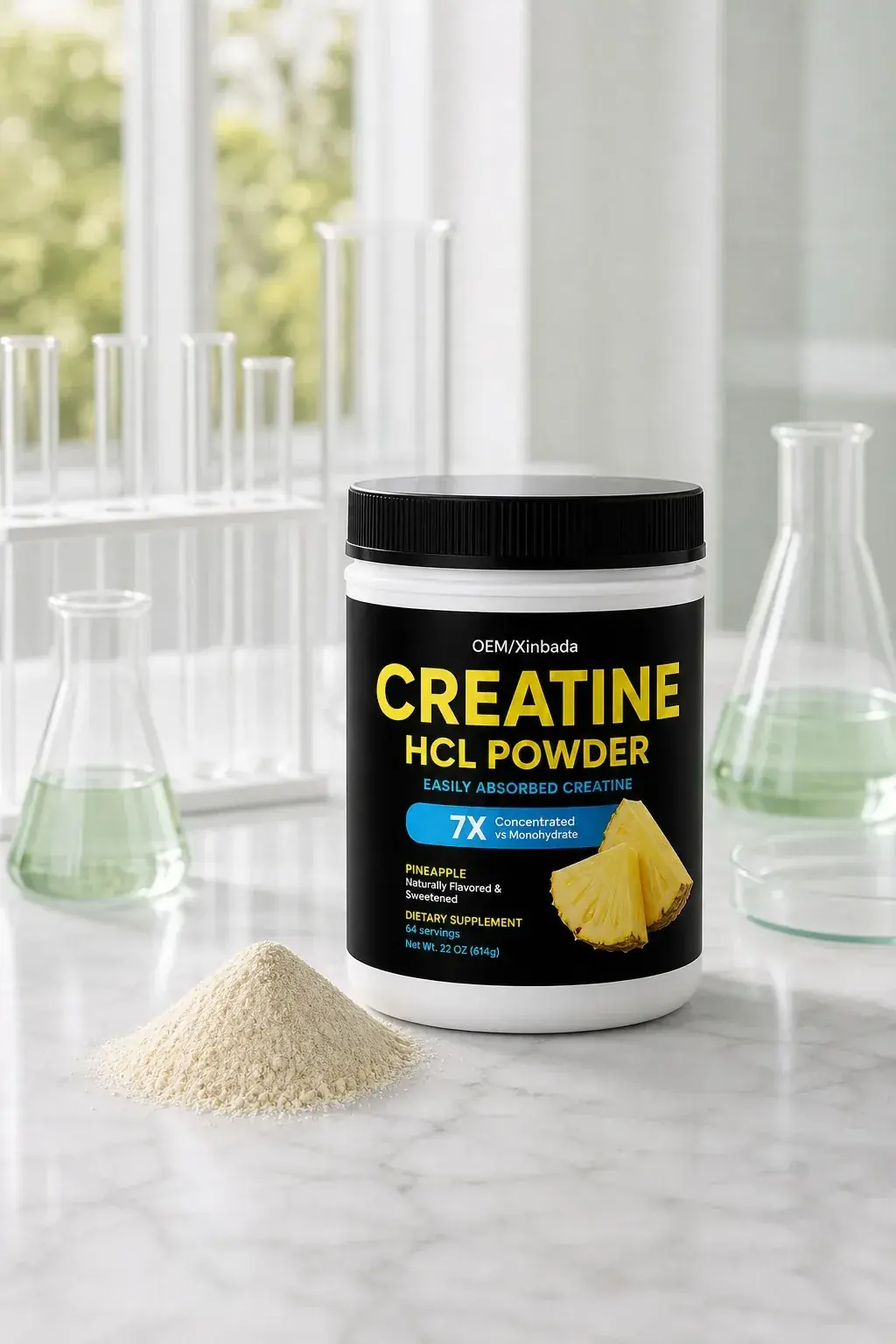
Collagen powder manufacturers should be compared through specifications, identity controls, process records, and released-batch evidence—not promises alone. The practical question is whether one traceable evidence chain connects the agreed ingredient, the manufactured formula, the package label, and the lot that will actually ship.
Start With Product Identity, Not Factory Size
A useful supplier review begins by defining what “collagen powder” means for the project and comparing that definition with the manufacturer’s stated operating scope. The phrase can refer to a single hydrolyzed ingredient, a flavored finished supplement, a bone-broth blend, or a formula that combines collagen with other components. A large facility may handle several of these formats, but scale does not prove that the proposed line, controls, and records fit the intended product.
Separate Collagen Source, Form, And Finished Format
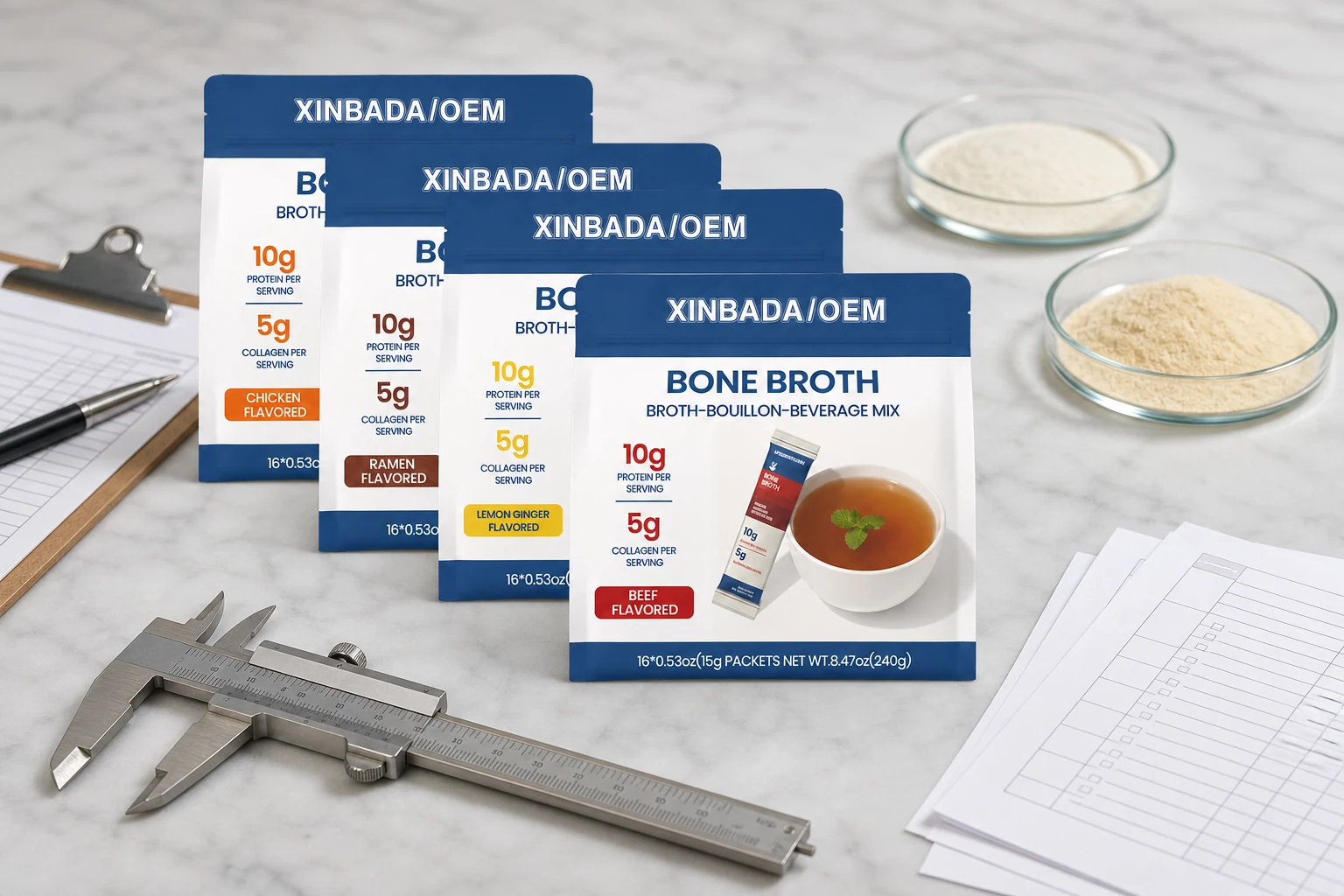
The buyer should state the biological source, hydrolysis or processing form, intended finished format, flavor system, serving logic, and any source-related exclusions before comparing capabilities. These details affect incoming controls, sensory expectations, solubility, labeling, and cross-contact questions. A same-site bone broth and collagen powder example illustrates why a finished blend cannot be evaluated as if it were a generic raw ingredient.
Draw A Boundary Around Claims And Customization
Custom flavor, pack count, pouch format, and formula changes should each have an owner and an approval record. The manufacturer should distinguish what is fixed by an existing product, what can be changed through its OEM and ODM process, and what remains subject to testing or regulatory review. This boundary prevents a sales description from quietly becoming an unsupported finished-product promise.
Translate The Brief Into Measurable Specifications
The strongest collagen ingredient specifications do more than name a material. They define testable acceptance criteria, applicable methods, sampling expectations, and the point at which a result is reviewed. Buyers should distinguish raw-component criteria from finished-product criteria because a compliant ingredient does not automatically prove that blending, filling, or packaging produced a conforming finished lot.
Define Incoming Component Controls Before Sampling
For each incoming dietary ingredient, the specification should identify the material, source, relevant composition or physical attributes, contaminant limits appropriate to the product, storage conditions, and required identity verification. FDA’s dietary supplement CGMP guidance explains that identity testing, component specifications, supplier qualification, and documented review are connected controls. A certificate alone is therefore not a substitute for a written decision about how its reliability is established and periodically checked.
Keep Finished-Product Criteria Distinct From Raw-Material Results
Finished powder may need criteria for appearance, flavor, odor, blend uniformity, fill quantity, packaging integrity, and other project-specific attributes. The buyer should ask which values are guaranteed, which are monitored for process information, and which require an agreed test method. This makes collagen ingredient specifications usable at release instead of leaving the quality team to interpret a marketing brief after production.
| Decision Area | Evidence To Request | What It Should Connect | Common Gap |
|---|---|---|---|
| Ingredient identity | Specification, identity method, receiving record | Named source and incoming lot | Generic COA with no receiving trace |
| Formula control | Approved master record and revision history | Agreed formula and batch size | Sample formula differs from scale-up record |
| Process execution | Executed batch record and in-process observations | Equipment, quantities, sequence, yield, and deviations | Unsigned or incomplete steps |
| Finished release | Test results, packaging checks, disposition approval | Finished lot and shipment | Certificate not tied to the shipped lot |
| Change control | Approved change request and impact review | Material, formula, label, method, or site change | Commercial substitution without buyer review |
Follow The Evidence Chain From Receipt To Release
Supplier qualification evidence should show how a facility decides that materials, processes, and records are reliable enough for use. It is not a folder of unrelated certificates. The chain should let a reviewer start with the shipped lot and move backward through release, packaging, batch execution, component lots, and supplier approval without losing identifiers or encountering contradictory specifications.
Qualify The Evidence Behind A Certificate Of Analysis
A COA is most useful when it identifies the material and lot, states methods or method references, reports limits and actual results, and belongs to the same supply path used for production. The review should also show who approved reliance on supplier results and how reliability is reconfirmed. This is a sharper test than asking whether collagen powder manufacturers can provide “a COA,” because almost any document can carry that label.
Make Batch Release Documentation Reconstruct The Lot
Batch release documentation should connect the approved master record to the executed quantities, equipment, in-process observations, test results, yield review, packaging checks, deviations, and final disposition. Missing signatures, unexplained corrections, or dates that do not follow the production sequence are not clerical details; they weaken the ability to prove that the released lot followed the approved process.
Audit Powder Handling And Cross-Contact Controls
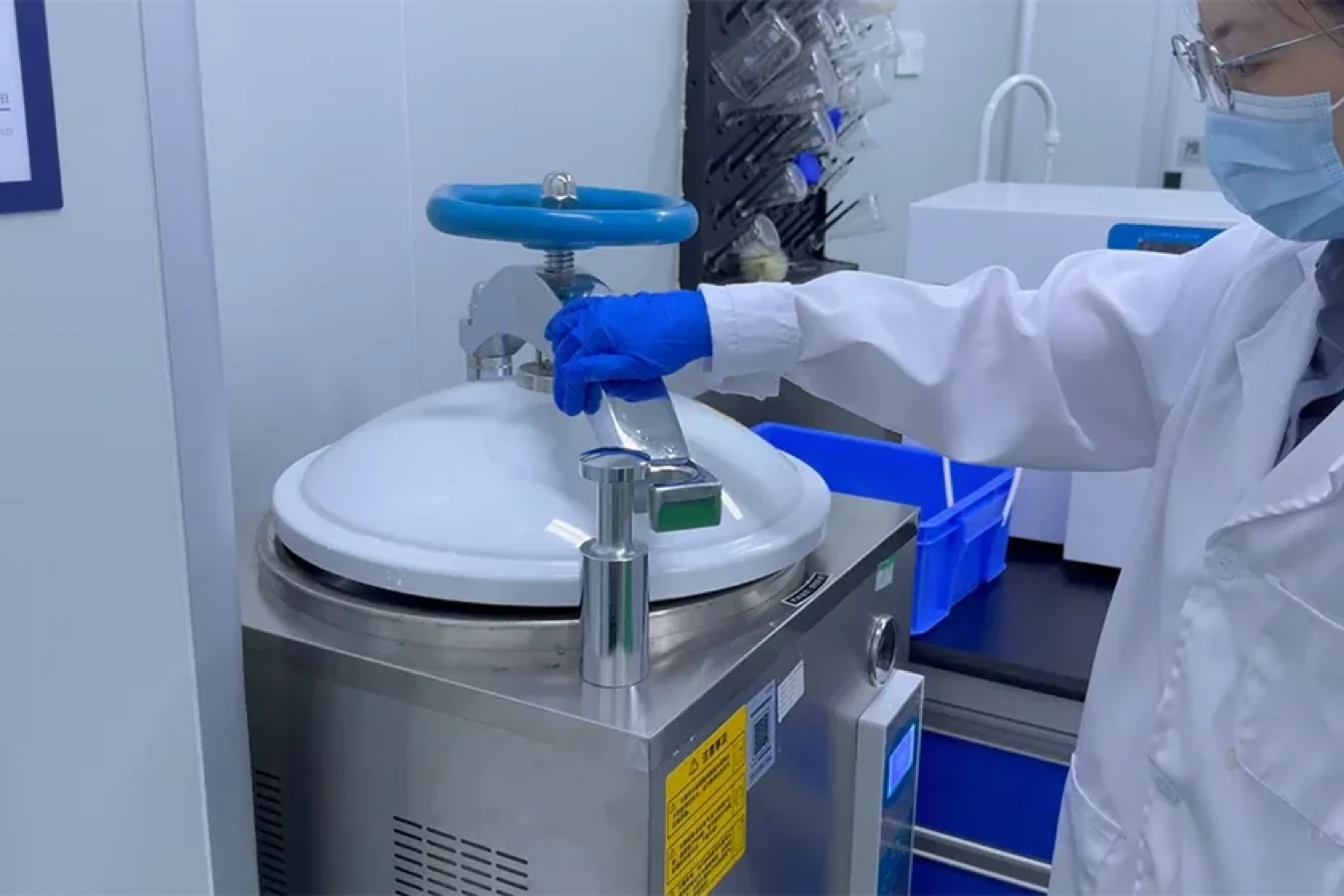
Powder projects create practical risks around dust, residue, sequencing, weighing accuracy, environmental exposure, and cleaning verification. A site visit or remote audit should focus on the proposed process path rather than a polished general tour. The buyer needs to know where the product is opened, weighed, blended, held, filled, inspected, and released—and how status is controlled between those stages.
Trace The Actual Equipment Path And Its Cleaning Logic
The manufacturer should identify the equipment and line intended for the product, how line clearance is documented, what cleaning procedure applies, and how effectiveness is checked for the relevant residue risk. A review of the site’s manufacturing and quality context can frame questions, but the project file must still connect those general capabilities to named equipment and the proposed batch.
Challenge Allergen, Species, And Label Transitions
When a collagen or bone-broth formula carries source, allergen, dietary, or other composition-sensitive statements, purchasing and quality teams should verify the component record, label text, line status, and change-control route together. An apparently small material substitution can affect both technical suitability and the finished label. Supplier qualification evidence should therefore include how purchasing changes are blocked until the required reviewers approve them.

Use Samples To Test Repeatability, Not Just Taste
A well-designed sample plan moves from feasibility to reproducibility. An early bench sample may answer flavor or concept questions, while a pilot or production-representative trial should test whether the proposed process, packaging, and specification can be repeated. The buyer should record the sample formula, ingredient lots where available, production conditions, packaging version, and accepted observations so approval does not rest on an untraceable jar.
Useful checks may include appearance, odor, flavor, dispersibility under a defined mixing method, pack integrity, fill consistency, and stability observations appropriate to the project. The point is not to create a universal test list. It is to make each acceptance decision reproducible and to place any subjective result—such as taste—beside objective controls rather than in place of them.
When a trial changes, the next sample should state exactly what changed and why. That creates a development history that can be reconciled with the master manufacturing record. Without this discipline, the “approved sample” and the commercial batch may share a product name while differing in formula, flavor input, process sequence, or package.
Compare Commercial Readiness Without Letting Price Lead
Commercial evaluation should happen after technical fit is visible. Quotations are not comparable when one includes testing, printed packaging, secondary packing, freight preparation, or release documents that another excludes. Collagen powder manufacturers should price against the same scope, specification revision, pack configuration, quantity assumptions, and acceptance responsibilities.
A practical comparison normalizes at least these items:
- formula ownership, revision control, and permitted substitutions;
- sample stages and what triggers approval or another iteration;
- included testing, methods, laboratory location, and retest rules;
- packaging components, artwork approval, coding, and inspection;
- minimum quantities and lead-time factors stated as variables to confirm, not invented constants;
- release records, retain samples, complaint handling, and change notification;
- shipment preparation and the point at which custody transfers.
Batch release documentation should be listed as a deliverable in the commercial scope, not requested after the shipment is ready. Likewise, any claim about certification should be checked for legal entity, site, activity, product scope, issuer, and validity rather than copied from a badge. The site’s recent manufacturing articles can suggest questions, but primary records remain the decision evidence.

Frequently Asked Questions
What Is The First Document To Request From A Collagen Powder Manufacturer?
Start with a project-specific specification draft, not a certificate collection. The draft should define the ingredient or finished powder, source, format, packaging, measurable criteria, methods or method references, and approval responsibilities. Other evidence can then be checked against that common baseline.
Does A GMP Certificate Prove The Proposed Product Will Meet Specification?
No. A certificate may support one part of due diligence, but it does not by itself prove that the named site, activity, line, formula, test plan, and shipped lot meet the buyer’s requirements. Scope, validity, issuer, and the product-specific record chain still require review.
How Should A Buyer Review A Supplier COA?
Check the material and lot identity, specification revision, test methods, limits, actual results, dates, laboratory, and approval. Then ask how the supplier’s results were qualified and whether the document connects to the component lot received for the proposed batch.
Why Are Master And Batch Records Both Necessary?
The master record defines the approved formula and control plan; the executed batch record shows what actually happened for one lot. Comparing them reveals omissions, substitutions, deviations, and unapproved process changes that a finished COA may not expose.
When Is A Factory Audit Worthwhile?
An audit is most valuable after the product and process path are defined. It can then test named equipment, material flow, cleaning, status control, laboratories, record practices, and release responsibilities instead of producing a general impression of the building.
Before asking for a comparable proposal, provide the intended collagen source, finished format, specification draft, sample stage, packaging configuration, and required release records through the project inquiry channel; the response can then be evaluated against one controlled brief.