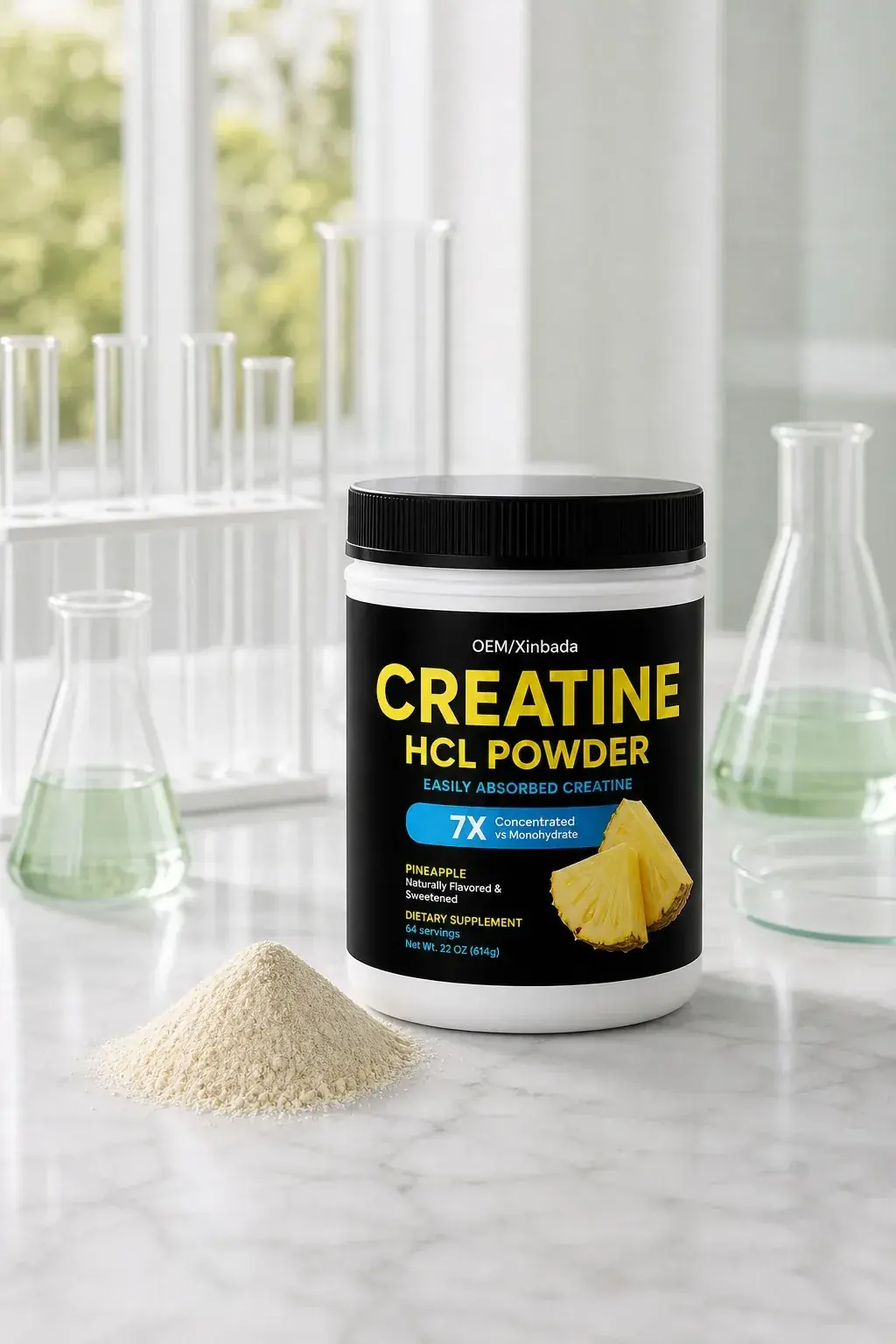
Protein powder contract manufacturing scales reliably when formula ownership, process limits, packaging requirements, and release evidence are defined before transfer. A larger batch is not simply a bigger version of a bench sample: ingredient behavior, blending order, flavor perception, fill accuracy, and document control must remain connected from approved formula to released goods.
Scale-Up Starts With a Transfer Package, Not a Purchase Order
The strongest starting point is a controlled description of what the product must be and how conformity will be judged. A formula name and nutrition concept are insufficient because two teams can interpret the same brief differently. The transfer package should identify authorized ingredients, target amounts, allowable substitutions, processing instructions, sensory targets, finished-pack requirements, and the documents that prove each decision.
Formula Ownership Must Be Unambiguous
A buyer-provided formula, a manufacturer-developed concept, and a jointly revised formula create different approval paths. The owner of each decision should be recorded before sampling begins. That includes who approves ingredient suppliers, flavor changes, overages, sweetener systems, serving size, and label claims. A good formula transfer package also distinguishes confidential know-how from the production information operators and quality personnel need to execute and review the batch.
For a transfer project, version control matters as much as the ingredient list. Every sample should point to a dated formula revision and explain what changed. The manufacturer's current site can establish service context, but the signed project revision must govern production.
Target Attributes Need Measurable Acceptance Rules
Words such as smooth, premium, easy mixing, or chocolate-forward are useful creative cues, but they are not release specifications. They should be translated into agreed evaluation methods: appearance under defined lighting, flavor against an approved retain, dispersibility under a repeatable mixing procedure, package weight limits, and relevant analytical or microbiological criteria. The method, sampling point, and decision owner should be named alongside each attribute.
Ingredient Controls Determine Whether the Formula Can Repeat
Protein powders are multi-component systems, so raw-material variability can affect flavor, color, flow, nutrition calculations, and process behavior. The appropriate control plan depends on the actual formula and intended market. It should connect the approved component specification to supplier evidence, incoming checks, storage conditions, and the finished-product decision rather than treating each document as an isolated file.
Identity and Function Should Be Reviewed Together
Incoming controls must establish that the received component is the intended material, while formulation review must establish that the material performs as expected. Protein source, particle characteristics, flavor carrier, sweetener, stabilizer, vitamin premix, and processing aid may each influence the blend. A change that appears equivalent on a purchasing description can still alter mouthfeel, bulk density, color, allergen handling, or label calculations.
For products marketed as dietary supplements in the United States, applicable current good manufacturing practice responsibilities include establishing specifications and maintaining production and quality records. The practical buyer question is not whether a supplier can send a certificate, but whether the certificate, identity decision, lot traceability, and approved specification refer to the same component and lot.
Substitution Rules Belong in Change Control
Unplanned substitution is one of the fastest ways to separate a commercial batch from the approved sample. The agreement should say which changes are prohibited, which require written approval, and which are permitted within a defined equivalence rule. Supplier changes, country of origin, grade, flavor system, processing aid, or package-contact material may require different levels of review. The manufacturer should not have to infer that hierarchy during a shortage.
Process Definition Protects Blend Uniformity and Sensory Consistency
A manufacturing record should convert the approved formula into an executable sequence. It needs enough detail for trained personnel to follow the same logic each time and for quality reviewers to determine whether the batch followed that logic. The exact controls will vary by equipment and formula, but the decision structure is consistent.
| Control area | What to define before scale-up | Evidence to review | Risk if left open |
|---|---|---|---|
| Formula | Approved revision, authorized components, target quantities, overage logic | Signed formula and change history | Wrong version enters production |
| Blending | Addition order, screening step, mixing endpoint, hold limits | Master instructions and batch record | Uneven distribution or variable texture |
| In-process checks | Sampling locations, test method, acceptance rule, escalation path | Recorded observations and results | Deviation is noticed too late |
| Packaging | Container, closure, fill target, coding, label revision | Approved artwork and line checks | Correct powder enters the wrong pack |
| Release | Required results, reviewer, disposition, retained records | Complete release packet | Shipment precedes evidence review |
Mixing Sequence Must Match Material Behavior
Large and small ingredients do not automatically distribute evenly when added together. A process may need pre-blending, controlled addition, screening, or another defined approach, but the correct choice depends on actual equipment and material properties. The key control is that the sequence is justified, documented, and tested at the intended operating scale. Unverified mixing time alone does not prove uniformity.
The record should identify what happens after an interruption. A power stop, extended hold, rework decision, or partial transfer may change the risk profile. Predetermined instructions and escalation rules are more dependable than reconstructing an event later.

Packaging Is Part of the Product Specification
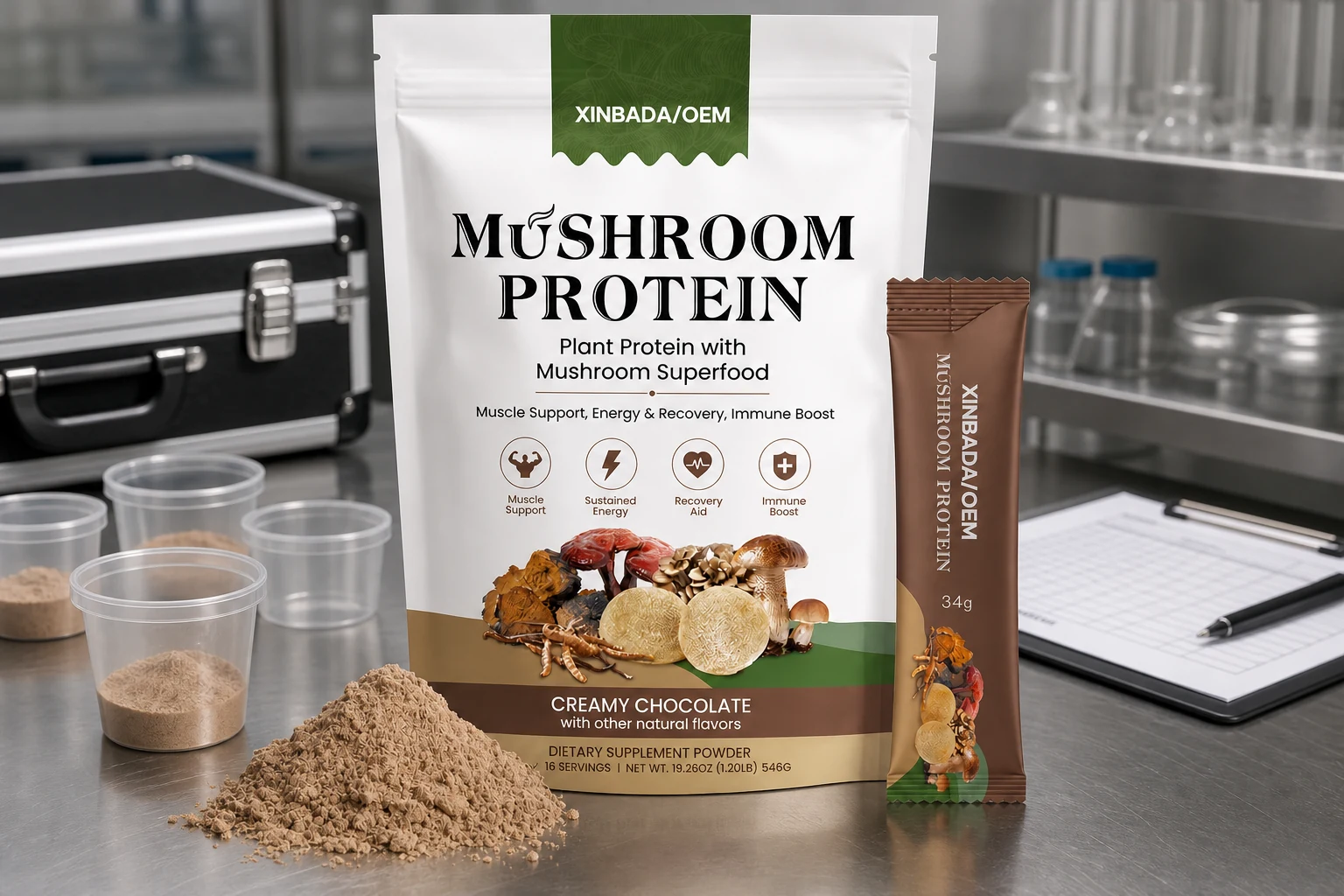
Packaging decisions affect protection, fill efficiency, label control, transport, and user experience. A pouch, tub, sachet, or stick format cannot be selected only from an artwork mock-up. The product’s bulk behavior, serving tool, closure expectations, barrier needs, pack size, coding area, and distribution conditions all shape the final requirement.
Artwork Approval Does Not Replace Line Readiness
Approved artwork should be tied to the correct component code and revision. Line readiness also requires confirmation of dimensions, sealing behavior, closure fit, code placement, legibility, and reconciliation of printed components. The OEM and ODM service scope shows that formula and packaging customization can be connected, but the buyer still needs a pack-specific approval trail rather than relying on a general service description.
A practical preproduction check places the approved formula, artwork, empty package, filled reference, and coding instruction in one review. That exposes conflicts early—for example, a serving statement that no longer matches the scoop, or a label panel that changes after regulatory copy is finalized.
Release Evidence Should Be Designed Before the First Batch
Batch release criteria should be known before material is ordered and production is scheduled. Late test selection can create unclear samples or disputes over which specification governs. The release plan should identify required results, methods, reviewers, deviation handling, and retained records. The site's technical article library may support general review, while the approved project documents remain controlling.
A Quality Agreement Allocates Decisions, Not Accountability Away
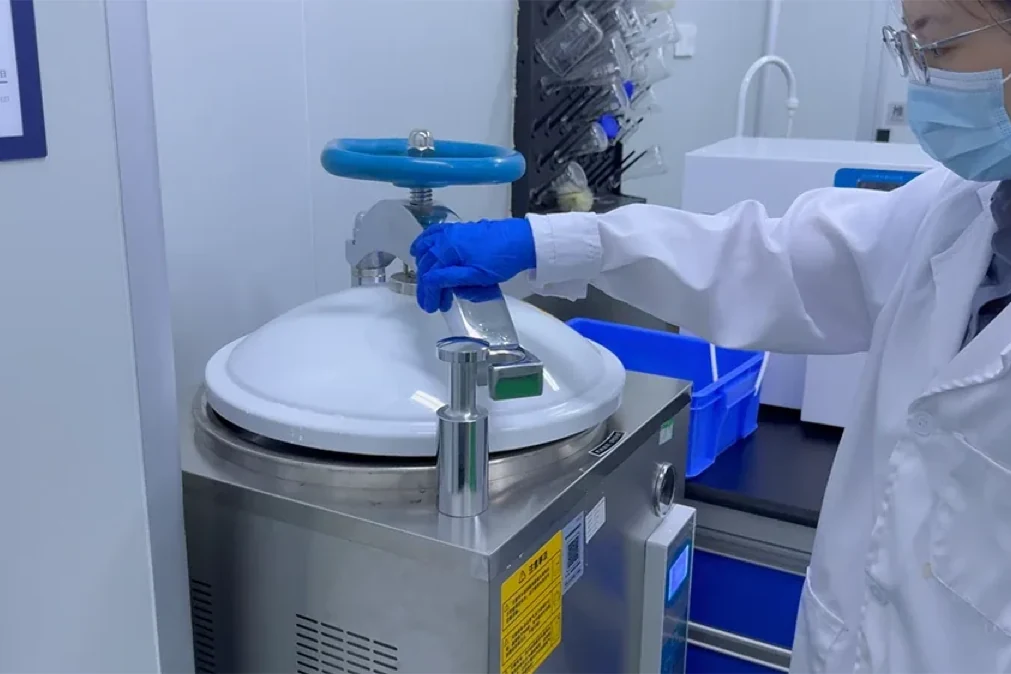
A manufacturing quality agreement can map who prepares specifications, qualifies suppliers, approves changes, investigates deviations, reviews records, manages complaints, and authorizes disposition. It should complement the commercial agreement and technical documents. A useful allocation is specific enough that neither side assumes the other has completed a critical review.
For dietary supplements, a buyer should confirm how the proposed arrangement aligns with applicable requirements for specifications, master manufacturing records, batch production records, component handling, packaging, labeling, and quality-control review. A general contract-manufacturing template can support communication, but it should not be presented as a substitute for product- and jurisdiction-specific advice.
Scale-Up Approval Should Be a Gate, Not a Calendar Date
Readiness is demonstrated when inputs, process, packaging, and release decisions are jointly controlled. A pilot or engineering batch may answer questions about flow, mixing, fill weight, sensory performance, and line compatibility, but its purpose and acceptance rules should be written before the run. A successful-looking batch does not close an unresolved evidence gap.
- Freeze the authorized formula revision and ingredient specifications.
- Approve the master instructions, sampling plan, and escalation rules.
- Confirm pack components, artwork revision, coding, and line checks.
- Run the agreed scale-up study and record deviations or observations.
- Compare results with the approved sample and release requirements.
- Close changes and assign the version that governs commercial production.
The sequence makes protein powder contract manufacturing easier to audit because every approval has an object, owner, and record. Rechecking the formula transfer package and manufacturing quality agreement at the gate keeps unresolved flavor, packaging, or testing decisions visible rather than hidden inside a promised date.

Frequently Asked Questions
What should be included in a protein powder manufacturing brief?
The brief should define product purpose, authorized formula or development boundary, serving concept, ingredient restrictions, sensory target, pack format, intended market, expected evidence, and approval owners. Unknowns should be labeled as decisions to resolve, not filled with assumed values.
Does a successful sample guarantee the commercial batch will match?
No. A sample demonstrates one formulation and preparation event. Commercial matching also depends on ingredient lots, equipment, order of addition, operating ranges, sampling, packaging, and documented release rules. Scale-up work is the bridge between the sample and repeatable production.
Who should approve ingredient or packaging changes?
The agreement should name approval authority by change type. Safety, identity, label, allergen, claim, formula, and product-contact changes usually need explicit review, while tightly defined administrative changes may follow a simpler route. The hierarchy must be agreed before a change occurs.
Which records are most useful during batch review?
The useful set connects approved specifications, the master manufacturing record, executed batch record, component and packaging lots, in-process observations, test results, deviations, reconciliation, and final disposition. For protein powder contract manufacturing, the exact set depends on the product and applicable requirements; custom production services should therefore be evaluated against the project-specific record list.
When is a formula ready to move from development to production?
It is ready when the formula version, ingredient specifications, sensory reference, process instructions, pack requirements, test plan, batch release criteria, and change authority are approved. The same-site knowledge resources can inform questions, but a target launch date alone is not evidence of readiness.
For a comparable transfer review, the protein powder format options and project contact route can be used to confirm formula status, intended packaging, required evidence, and the open decisions that must be resolved before scale-up.