Private label supplement manufacturers need defined specifications, clear quality responsibilities and evidence matched to the intended formula and pack.
Define the Manufacturing Scope Before Comparing Offers
Separate an Existing Formula From a New Development
An existing formulation can reduce the number of open design choices, but it does not automatically establish suitability for a particular market, label or sales channel. Ask which elements are fixed and which can change. A different flavour, sweetener or capsule material may affect the practical work needed to approve the finished product. The proposal should identify whether the manufacturer is supplying a standard specification, adapting one or working to a specification provided by the customer.
Check the Relevant Format Instead of a General Capability Claim
A supplier offering several categories still needs to explain its experience with the intended format. Capsule filling, powder blending and a chewable product create different practical questions. Ask for evidence relevant to the product under discussion, including how material handling, packing and inspection are coordinated. A broad facility description should not replace that product-specific discussion.
The Xinbada product catalogue provides examples across several nutrition categories, while its customization page describes formulation, packaging and labelling services. These are site-published starting points for an enquiry, not independent confirmation that every proposed combination is available. The appropriate next step is to match a specific brief to the offered service and identify any work performed by another party.
Make Responsibility Handoffs Explicit
Assign Each Decision to a Named Role
A quality agreement should distinguish the party that proposes a specification from the party that approves it, and the party that performs a check from the party that accepts its outcome. Include responsibility for formula versions, packaging artwork, material substitutions, test review, deviations and complaints. Identify an accountable role and a substitute contact instead of relying on a salesperson to forward every technical question.
For medicines supplied in Australia, the TGA's release-for-supply guidance describes GMP agreements that establish responsibilities and arrangements for checking batches. That regulatory context does not establish any particular supplier's approval. The applicable product classification, manufacturing sites and approval pathway still need confirmation for the actual project. A commercial contract and a technical responsibility document should describe compatible obligations rather than contradicting each other.
Specify What Happens When a Change Is Proposed
Change control should cover more than a new ingredient name. A new source, a different material grade, altered pack dimensions or revised artwork may require review even when the front-facing product name remains unchanged. Ask how a proposed change is described, what supporting information accompanies it and whether written approval is required before implementation. Preserve the previous approved version so the differences remain visible.
Review Evidence Against a Defined Product Specification
The evidence requested from private label supplement manufacturers should answer a specific question. A generic certificate, a photograph of a laboratory and an unrelated sample report serve different purposes. Start with the proposed product specification, then ask which records show that its relevant requirements have been checked and how those records identify the batch under review.
Connect Test Information to the Material and Method
A report is most useful when the sample identity, batch reference, measurement, acceptance criterion and test method can be understood together. A number without a method or a criterion may not answer the purchasing question. Ask whether a result concerns an ingredient, an intermediate material or the finished product, and whether that distinction matters for the feature being assessed. Request clarification of unfamiliar abbreviations instead of assuming that similar headings mean comparable tests.
FDA guidance for dietary supplement manufacturing describes specifications and controls relating to identity, purity, strength, composition and contamination limits. It does not mean one generic test panel is sufficient for every formula or that a document bearing those words proves compliance. The technical team should explain which checks are relevant to the intended ingredients and format, and distinguish demonstrated results from information still to be supplied.
Keep Product Evidence Separate From Facility Marketing
Facility-level information can support an initial assessment, but it should be checked for its named legal entity, location, scope and current status. Do not treat a logo on a website as proof that a specific finished product has been independently certified. Similarly, a sample certificate of analysis is useful for discussing the reporting format but should not be presented as the release record for a batch that has not yet been produced.
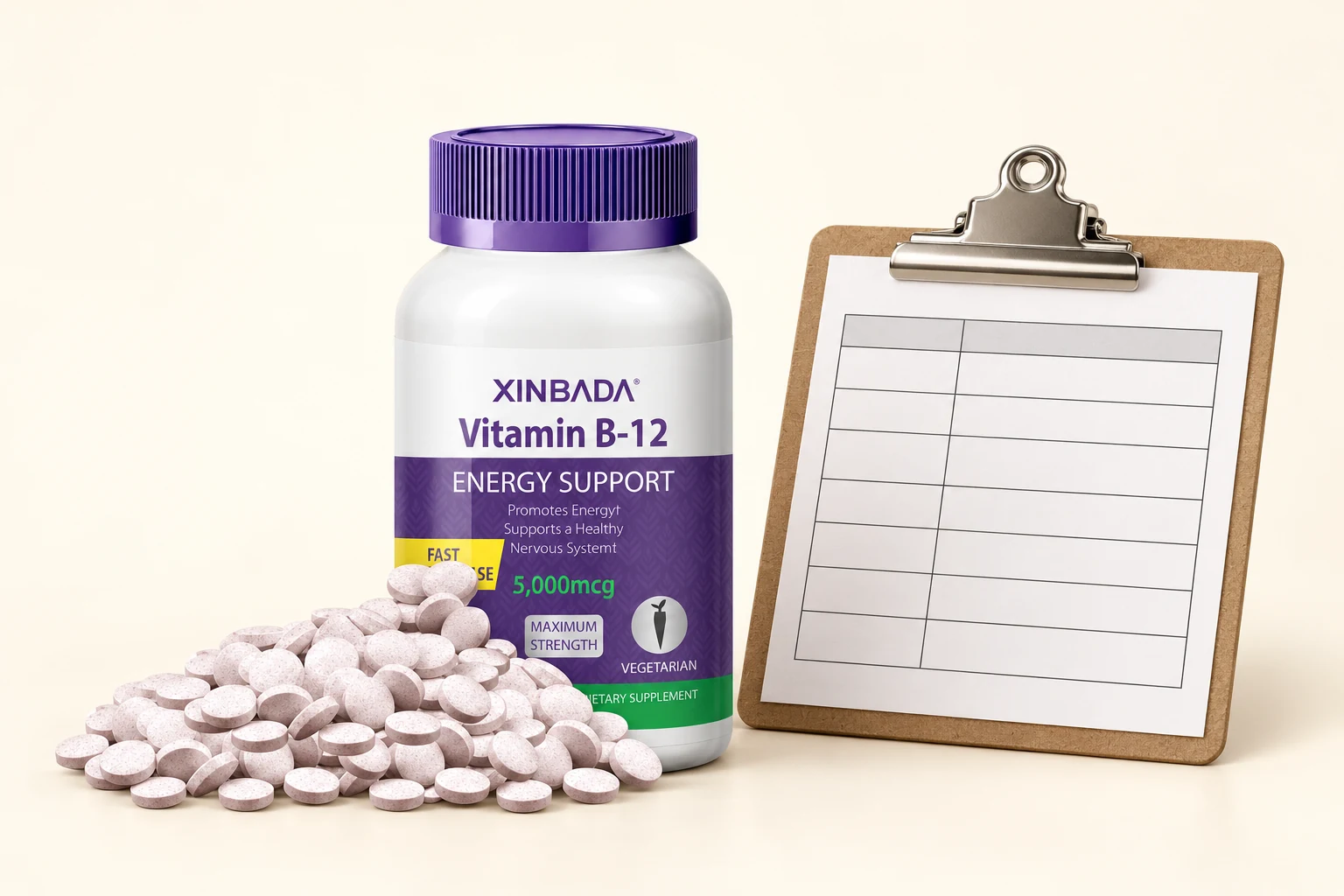
The vitamin range can help define a relevant product enquiry, while a proposed powder format may raise a different set of handling and packaging questions. Neither category establishes an outcome for an untested custom formula. Keep the reasoning tied to the exact composition and intended presentation, with uncertainties recorded for technical review.

Evaluate the Pack as Part of the Product
Check Contact Materials and Closure Details
Compare the complete pack configuration rather than a bottle photograph alone. Identify the contact material, closure type, liner or seal where applicable, fill quantity and the way the pack will be opened and used. These details help the technical team decide which compatibility questions are relevant. Do not infer shelf life from an attractive container or assume that a pack used for one product is suitable for a different composition.
Approve Artwork Against the Agreed Version
The artwork review should connect the visible label to the current formula, serving presentation and net contents. Record the version approved for printing and the party responsible for the market-specific review. Check how obsolete files are withdrawn and how a printer or packing team distinguishes the final version from an earlier draft. Printed samples can reveal practical problems.
The site's packaging customization information describes several pack types and different order quantities. Those published examples show why the exact pack matters; they should not be turned into a universal minimum or a binding quotation. Confirm the requested configuration, artwork work and component availability for the particular project before approving costs or timing.
Use a Common Evidence Checklist for Each Proposal
| Review area | Evidence to request | Decision it supports |
|---|---|---|
| Service scope | Defined formula and format scope, with included and excluded work | Whether offers concern the same project |
| Specification control | Version reference, approval route and change notification process | Whether the agreed product can be identified consistently |
| Batch review | Applicable records, acceptance criteria and responsible review role | Whether release decisions have an identifiable basis |
| Material and testing questions | Relevant sample identity, method information and reporting scope | Whether the evidence addresses the actual requirement |
| Pack and artwork | Complete pack configuration, approved artwork and review ownership | Whether production instructions match the intended presentation |
| Commercial assumptions | Quantity basis, component commitments and included services | Whether prices and timing can be compared fairly |
| Exception handling | Hold, escalation, complaint and corrective-action contacts | Whether a discrepancy can be investigated without losing traceability |

Relate Order Quantity and Timing to the Actual Work
Separate formulation, sampling, component sourcing, approvals, production and dispatch. Confirm the starting point and dependencies behind each timing estimate.
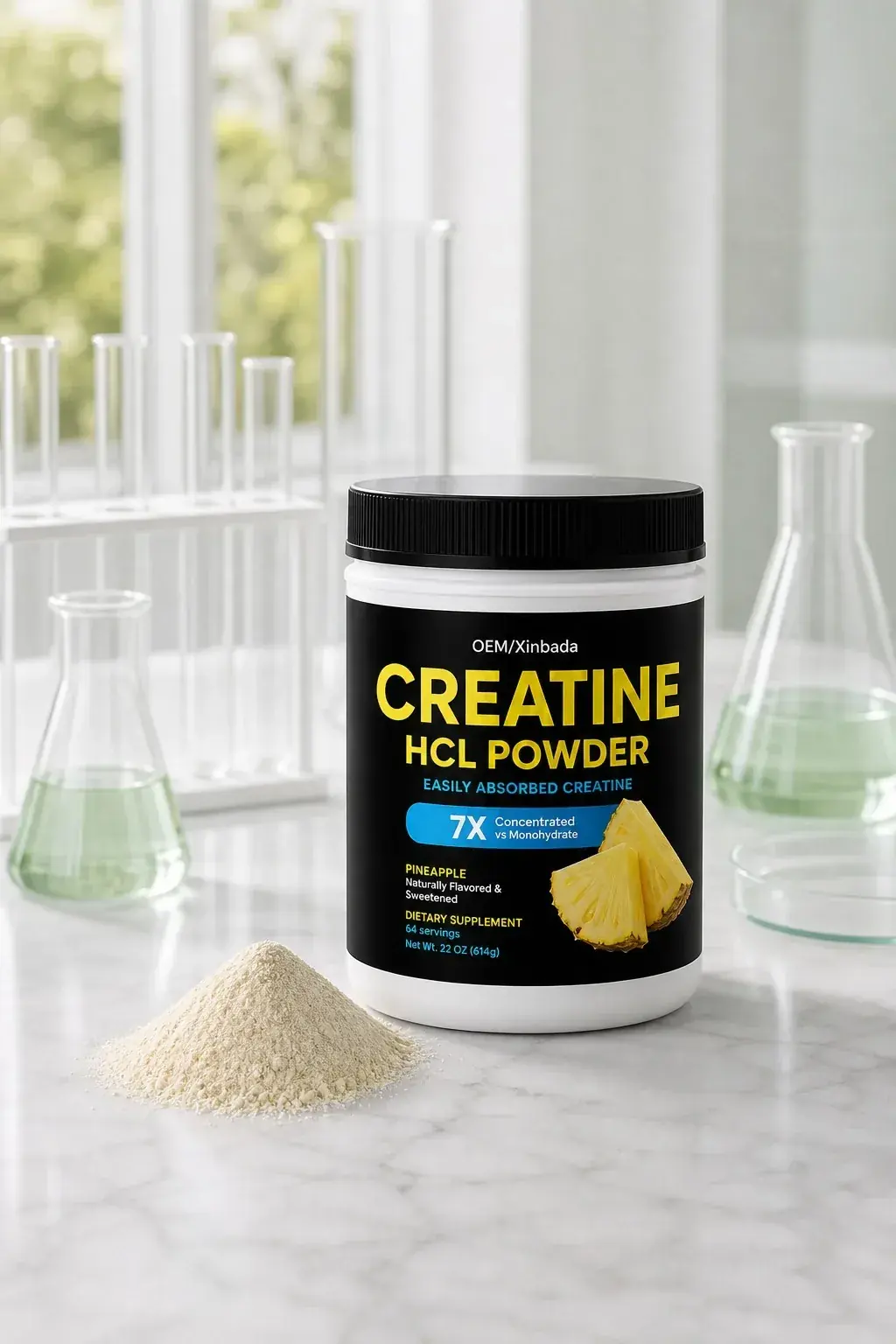
The electrolyte powder catalogue and creatine product range illustrate different potential briefs, not a promise of identical production conditions. Ask which quantity applies to the finished product and which applies to printed packaging or another purchased component. Clarify ownership and storage arrangements for unused components if an order does not consume them all.
When discussing packaging compatibility, distinguish a technically suitable pack from a commercially available one. A change made to meet a minimum quantity or delivery target still needs the appropriate product review. Confirm which date is a target, which step it describes and what would trigger a revised estimate. Avoid converting a published shipping illustration into a guaranteed arrival date for a new order.

Decide Whether the Proposal Is Ready for the Next Review
The stronger comparison of private label supplement manufacturers is the one that makes remaining decisions visible. Summarize the agreed scope, supporting documents, open technical questions and commercial assumptions in one review record. A supplier does not become suitable merely by answering quickly, and a complex question does not become resolved merely because a quotation has been issued.
Before progressing, confirm that batch release responsibilities, the specification version and the pack configuration are understood by the relevant parties. Use the quality agreement to check where responsibility crosses company boundaries. If an answer changes the product or its intended presentation, return that point to the appropriate technical or regulatory review rather than treating it as a minor purchasing adjustment.
Frequently Asked Questions
Is a private-label catalogue enough to approve a manufacturer?
No. It shows potential product directions but does not establish the suitability of a particular formula, manufacturing arrangement or pack. Use the catalogue to select a relevant starting point, then assess the proposed specification, evidence and responsibilities for that project.
Should every offer use the same test list?
Not automatically. Compare the reasoning and coverage against the same defined product requirements. Different ingredients and formats may need different methods or checks. Ask the technical team to explain differences rather than treating the longest list as inherently better.
Does a sample prove that later batches will be identical?
A sample shows what was supplied for that review. Consistency also depends on the approved specification, controlled instructions, appropriate checks and how changes are managed. Keep the sample reference linked to the version and assessment criteria instead of using appearance alone as approval.
Can the lowest published minimum quantity be used for any pack?
No. Published quantities may refer to different containers, labels or service arrangements. Request a project-specific confirmation that separates finished units from component commitments and identifies which assumptions could change the quantity or price.
What should be clarified before a sample request becomes a production order?
Confirm the agreed formula and pack, the approved artwork version, remaining evidence questions and the acceptance route. Also check who will review deviations and authorize the next stage. An unresolved requirement should remain explicit in the order discussion.
For a defined project, send the proposed format, formula status, pack configuration and outstanding evidence questions through the product enquiry channel. Request confirmation of scope and review ownership before comparing a final quotation.