Customisable vitamins need a defined formula, dosage form and final pack before a sample can become a repeatable commercial batch.
Define what the brand wants to change
A custom vitamin project can mean a new ingredient combination, a different daily serving, a capsule replacing a tablet, or simply artwork applied to an existing formula. Those requests create different development work. A buyer comparing proposals should first separate the intended consumer experience from the manufacturing decisions needed to deliver it. Otherwise, two prices may describe different products even when both suppliers use the same vitamin name.
Formula and format are separate decisions
The vitamin formulation brief should identify the intended market, proposed audience, ingredient forms, serving concept and excluded materials. It should also distinguish a required feature from an idea that remains open to evaluation. A request for a vegan capsule, for example, concerns the capsule shell and the entire ingredient supply chain; changing the shell alone does not establish that the finished product meets that positioning.
Capsule size, tablet dimensions, taste, swallowing experience and the number of units in a serving affect usability. They also constrain how much material can be delivered. An attractive bottle photograph cannot resolve those constraints. The product team needs a documented formula and a representative sample, with any departure from the proposed serving explained before artwork is approved.
An existing product is a reference point
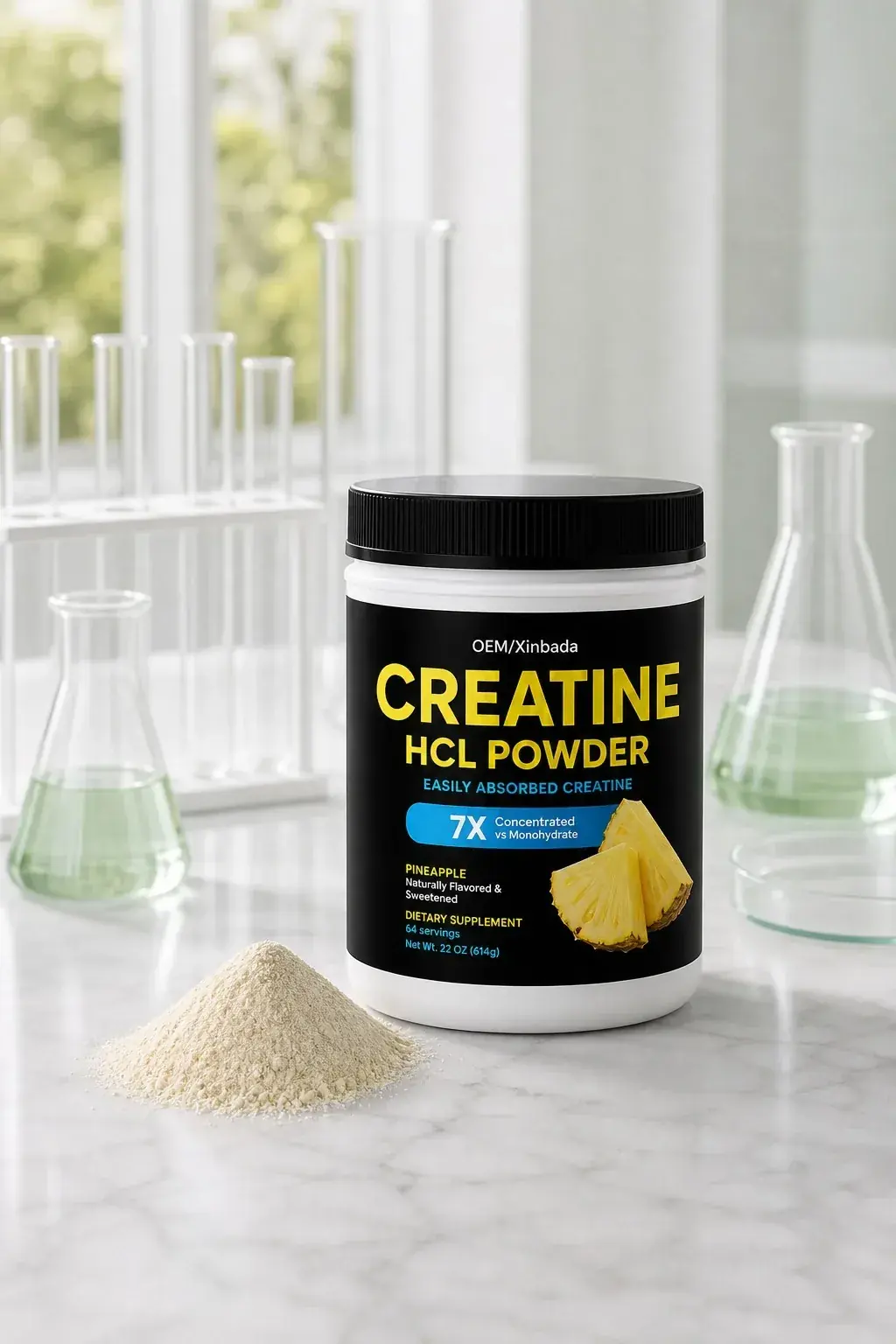
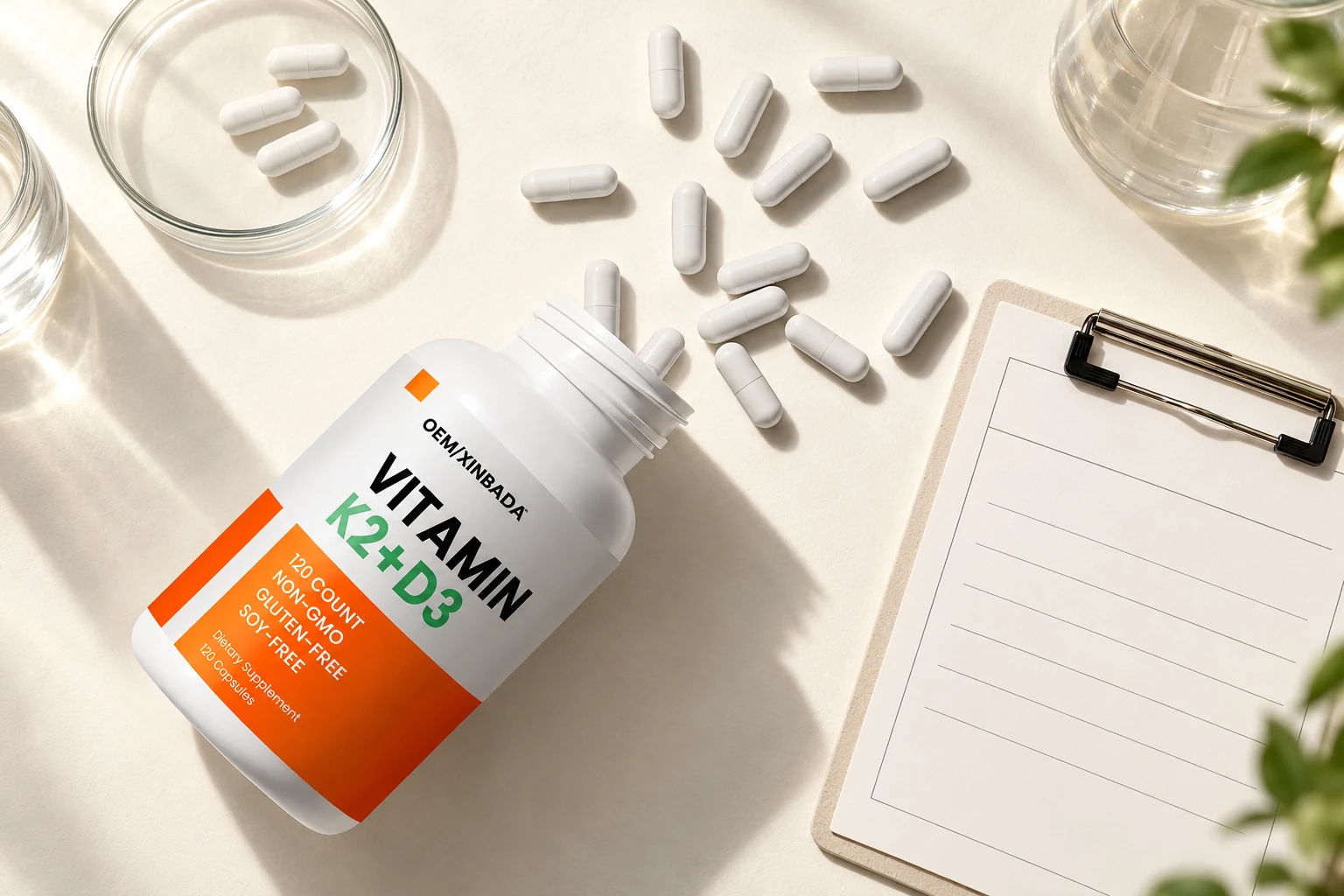
NutriCDMO's vitamin category provides examples of available presentations. A pictured K2 and D3 capsule bottle can help a buyer discuss format and visual identity. Its label does not establish that a different custom formula will have the same composition, claims, shelf life or regulatory classification. Each proposed change needs its own technical review.
Set the market boundary before approving artwork
For an Australian launch, the responsible business needs to establish the applicable product pathway and the evidence needed for the proposed ingredients, presentation and claims. A category description such as supplement or vitamin is not a complete regulatory assessment. The product's intended use and how it is represented matter. Marketing teams should therefore avoid translating a label from another market and treating the translation as the whole compliance task.
Separate the desired claim from the supporting evidence
A vitamin formulation brief can record the intended consumer message without treating that message as approved copy. The technical and regulatory review should identify which statements can be supported, which require qualification and which should be removed. Ingredient-level background literature is not automatically evidence for every claim about a finished combination. The final wording should reflect the actual product and its permitted presentation.
The TGA's quality guidance for listed medicines makes quality information and product-specific documentation relevant to the supply decision. Its stability guidance also connects shelf-life support to the product and its packaging. These sources inform the questions a buyer asks; they do not establish that a particular supplier or pictured product holds an approval. That status must be checked against the exact product and responsible entity.
Keep the label and technical record aligned
Ingredient names, quantities, serving instructions, warnings, pack count and business details need one controlled source. When a specification changes, the artwork reviewer needs to know whether the label must change as well. A simple change record can identify the revision, the affected documents, the reviewer and the point from which the revision applies. This avoids one team ordering cartons while another team is still reviewing the formula.
Compare proposals at the same level of detail
Customisable vitamins are easier to evaluate when each proposal answers the same questions. A short comparison table should show the proposed finished unit, the development work included and the unresolved assumptions. A low initial price can be difficult to interpret when testing, printed components, minimum pack quantities or revision work are treated differently. The comparison should expose these boundaries without assuming that every optional service is necessary.
| Decision area | Information to align | Reason it affects the project |
|---|---|---|
| Composition | Ingredient form, amount and stated basis | Similar ingredient names can represent different technical inputs. |
| Dosage form | Capsule, tablet or another agreed presentation | Format changes influence processing and the consumer experience. |
| Commercial pack | Unit count, container, closure and printed components | The complete pack determines what is actually delivered. |
| Verification | Tests, samples, documents and approval responsibilities | A sample appearance alone cannot establish finished-product quality. |
| Change control | Revision limits and the handling of later changes | Uncontrolled changes can invalidate earlier approvals. |
NutriCDMO's OEM and ODM service information can provide context for a discussion about development scope. The commercial agreement still needs to state who owns the formula, who approves substitutions and which records accompany a batch. A general service page should not be interpreted as a commitment to a particular minimum order, delivery date or testing programme.
Agree what a sample is meant to demonstrate
A development sample may demonstrate appearance, flavour, capsule handling or a proposed pack layout. A production sample may address a different set of questions. The request should name the purpose and record any differences from the intended commercial process. If the sample is handmade or uses temporary packaging, that limitation needs to remain visible during review rather than disappearing when the sample receives an internal approval.
Review formula changes together with packaging
Treat the final pack as part of the product
A packaging compatibility review considers the container, closure, seal, light exposure and expected handling conditions alongside the formula. A bottle that suits one product does not automatically suit every formulation or sales channel. A larger pack may remain open for longer during use; a different closure or material can change the conditions experienced by the contents. These are reasons to ask for evidence, not to infer performance from the thickness or colour of a bottle.
The review should identify the actual components used for evaluation and the conditions under which conclusions apply. Where a shelf-life statement depends on a particular package, a later package substitution needs an impact assessment. Buyers should avoid treating a generic raw-material certificate or a photograph of a laboratory as proof of the finished pack's stability.

A packaging compatibility review is also useful when deciding how goods move between facilities. Bulk capsules sent to a separate packer create a different handling sequence from finished bottles shipped directly. Responsibilities for storage, identification, transport protection and final release should match that sequence. Clear handovers prevent a gap in which each party assumes the other controls an important step.
Transfer an approved concept into a controlled batch
The approved concept should become a defined set of manufacturing and packaging instructions. Formula revision, component revision, agreed tests and release responsibilities need to refer to the same product. This is especially relevant when a brand approves several flavours, pack sizes or market labels at once. A shared base formula does not remove the need to identify each finished variant accurately.
Make substitutions visible before production
Ingredient availability and packaging availability can change. The supply agreement should explain which changes require buyer approval and what evidence accompanies the request. A proposed replacement may affect processing, label declarations, sensory properties or supporting data even if it looks similar. The vitamin formulation brief becomes a reference for deciding whether the replacement remains within scope or creates a new development task.
A buyer should be able to trace a commercial batch to the version actually approved, rather than relying on the date of an email attachment. A concise release package can identify the batch, product version, relevant results and any deviations that were accepted. The objective is a checkable connection between the order, the product and the supporting record, not an indiscriminate collection of documents.

Prepare for storage, distribution and the next order
Commercial readiness includes more than a finished label. The brand and supplier need to agree how cartons identify product variants, how storage instructions travel with the goods and how a batch can be traced after distribution. Warehousing conditions should follow the requirements supported for the product. A shipment to a hot distribution environment should not be assumed equivalent to storage under controlled conditions simply because the outer carton is intact.
A final packaging compatibility review can check that the approved pack and the shipping configuration still match the evidence reviewed earlier. Distribution packaging, bottle seals and unit identification serve different purposes. A damaged shipping carton does not automatically mean the product failed, but it does create a reason to follow a defined assessment process before stock is released for sale.

For reorders of customisable vitamins, the purchasing team should confirm whether the formula, component sources, label and intended market remain unchanged. A repeat product name is not enough to establish equivalence. Recording the approved version on the order helps the supplier identify differences before production begins. Complaints and observations from the previous batch can then feed into a deliberate revision rather than an undocumented adjustment.
Frequently Asked Questions
Does customisation mean only changing the label?
It can, but it may also involve composition, dosage form, pack size or processing changes. The proposal should identify exactly which elements remain standard and which require development or new supporting evidence.
Can a product photograph establish the final specification?
No. It can show a presentation and visible label example. Formula quantities, component materials, quality criteria and the applicable market requirements need controlled technical information for the proposed product.
Why should packaging be reviewed before the formula is final?
Formula and pack decisions can affect one another. Early review reveals constraints; final approval still needs the actual agreed combination and appropriate evidence. A late packaging change can require the earlier conclusions to be revisited.
Is an overseas supplement label ready for an Australian launch?
That cannot be assumed. The responsible business should confirm the product pathway, ingredients, claims and presentation against the applicable requirements. Translation alone does not establish suitability for the Australian market.
What should remain consistent on a repeat order?
The order should reference the approved formula and pack revisions, while any proposed changes are assessed explicitly. Batch identification and release records should make it possible to distinguish a genuine repeat from a revised product.
A brand evaluating a vitamin project can use the site's product range to identify a relevant format, then bring the intended market, draft composition and final-pack questions into a scoped development discussion.