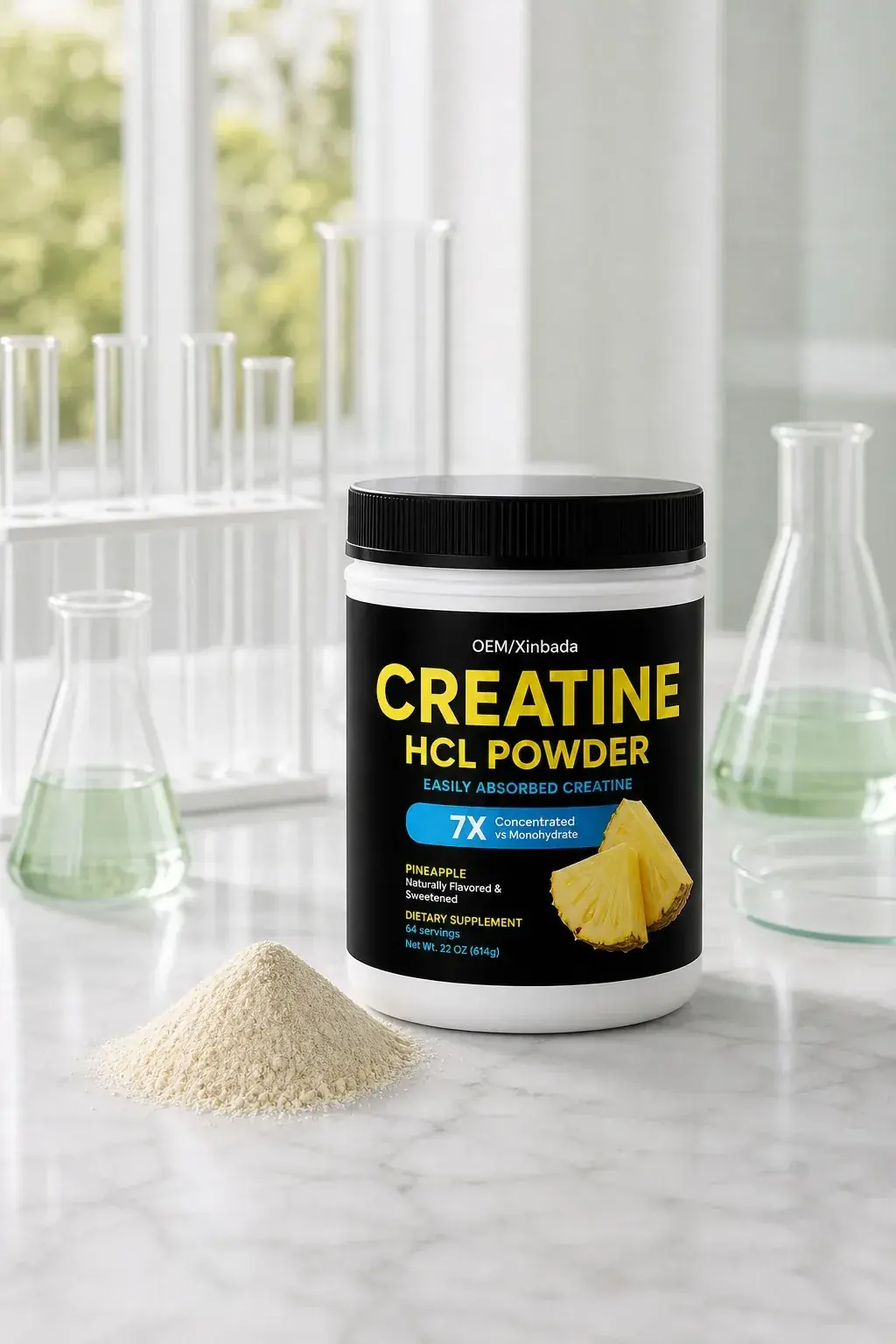
GMP certified protein powder is credible only when its certification scope, manufacturing site, specifications, batch records, and test evidence refer to the same product and facility. A logo on a sales page may be a useful starting signal, but qualification requires a chain of current documents that can be matched to the legal manufacturer, the formula, the lot, and the testing decision.
Begin With the Meaning Behind the GMP Claim
GMP describes a controlled manufacturing system, not a guarantee that every protein powder fits every specification. Dietary supplement cGMP extends across personnel, sanitation, equipment, components, production, packaging, labeling, laboratory work, quality review, and records. The useful question is which rules or audit standard were applied, to which site, for what scope, and during what period.
Regulatory Compliance and Third-Party Certification Are Different
FDA identifies 21 CFR Part 111 as the United States framework for dietary supplements and explains that an inspection does not produce an FDA-issued certificate declaring CGMP compliance. A third-party certificate can still add evidence, but its issuer, accreditation, scope, site, audit basis, dates, and status must be checked. Registration, inspection, and certification are not interchangeable.
The Product Claim Must Resolve to a Real Manufacturing Operation
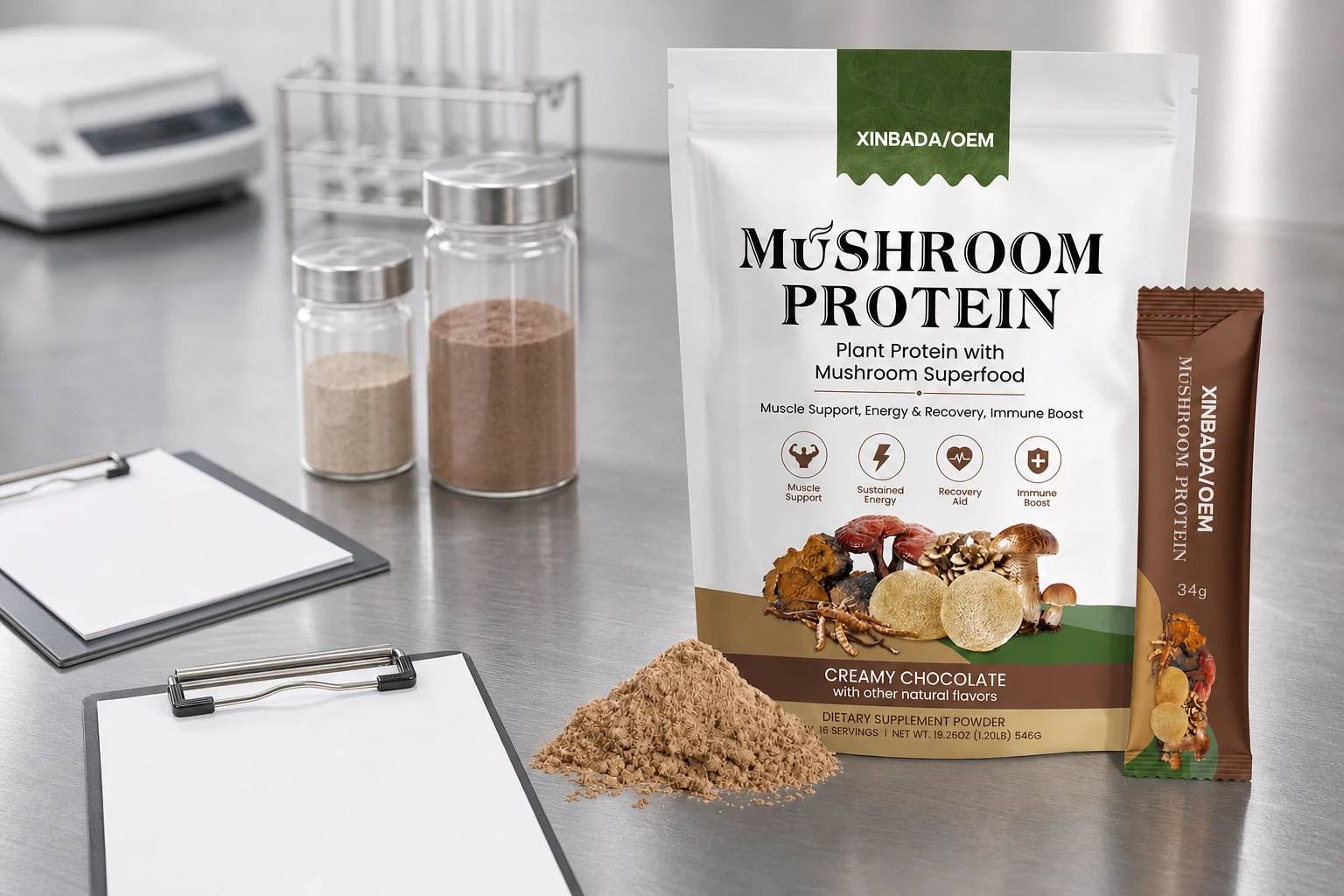
A credible claim connects the product to an identified legal entity and site. The Xinbada company page displays quality and certification references, while a mushroom protein product page shows one branded category example. Those are same-site claims rather than independent proof. Current issued documents should show that company name, site, scope, and product category align with the manufacturing arrangement.
Check the Certificate Before Relying on the Badge
Certificate scope verification should happen before a buyer spends time comparing marketing language. A document can be authentic yet irrelevant if it covers a different legal entity, address, activity, or product class. It can also be expired, suspended, or issued by a body whose status is unclear. The review should produce a short written conclusion rather than a screenshot filed without context.
Match Four Identity Fields Without Approximation
The certificate holder, manufacturing address, certified activity, and applicable product scope should match the proposed supply chain. “Food manufacturing” may not describe the same activity as manufacturing, packaging, labeling, or holding dietary supplements. If blending, filling, labeling, warehousing, or release occur at separate locations, the buyer should map which entity performs each step and which evidence covers it. An unexplained trading company name or alternate address is a reason to pause, not necessarily a reason to reject.
Confirm Issuer, Validity, and Verification Route
A useful certificate can be verified with its issuer or an authoritative database. Record its number, standard or audit program, dates, status, scope wording, and verification source. ISO guidance points to national accreditation bodies and IAF CertSearch when accredited certification is relevant. Supplier qualification evidence is stronger when the dated result stays with the purchasing file.

Tie GMP Controls to the Exact Formula and Batch
GMP certified protein powder cannot be qualified at the certificate level alone because the purchase decision concerns a defined formula and released lot. FDA guidance describes specifications for identity, purity, strength, composition, and contamination limits, along with master manufacturing records and batch production records. These records turn a general system claim into product-specific control evidence.
Start With a Purchasable Specification, Not a Generic Brochure
The specification should identify protein source and form, formula version, sensory and physical attributes, declared composition, relevant contaminants, microbiological criteria, packaging, storage, and methods. A different vegan protein configuration illustrates why values must come from an approved document, not category assumptions. The OEM and ODM service page shows that formula and packaging choices vary; each option needs a controlled specification and change status.
Use Batch Records to Test Whether the System Operated
Batch record review should confirm that the approved formula and process were followed, materials and packaging were traceable, in-process checks were recorded, deviations were evaluated, and quality personnel approved release. A polished certificate cannot replace that operational evidence. For an initial order, the buyer may review a redacted representative batch package or structured index, then define which records will accompany future lots and how deviations, out-of-specification results, or changes will be communicated.
| Evidence layer | Minimum check | Mismatch that needs resolution | Buyer output |
|---|---|---|---|
| Certificate | Holder, address, scope, standard, issuer, validity, status | Different site, unrelated activity, expired or unverifiable record | Dated certificate verification note |
| Product specification | Formula version, attributes, limits, methods, packaging, storage | Catalog description without measurable acceptance criteria | Approved purchase specification |
| Manufacturing records | Master record linkage, lot traceability, process checks, deviations | Lot cannot be linked to formula or release decision | Batch record review checklist |
| Laboratory evidence | Sample identity, method, result, limit, laboratory, approval | Certificate of analysis lacks actual results or traceable sample | Lot-specific test review |
| Ongoing control | Change notice, complaint route, requalification, trend review | No defined trigger for reassessment | Supplier monitoring plan |
Test Whether Documents Form One Evidence Chain
Strong qualification evidence should be cross-checkable from one document to the next. The purchase specification points to test methods; the batch record identifies materials and process steps; the certificate of analysis identifies the lot and reports results; the release record shows the quality decision; and shipping documents preserve traceability. Any break in that sequence deserves a specific question rather than a broad request for “all quality documents.”
Read the Certificate of Analysis as Data
A certificate of analysis is useful when it names the product and lot, lists methods, shows limits and actual results, identifies testing responsibility, and carries an authorized review. “Pass” without a result can conceal the margin to a limit. The review should also define which tests apply to every lot, which follow a justified frequency, and when independent confirmation is needed.
Qualify the Source Behind Component Results
FDA guidance allows reliance on certain supplier certificates of analysis only within a documented qualification and reconfirmation system. That makes supplier qualification evidence relevant even when a finished-product report looks complete. The manufacturer should be able to explain how ingredient identity is verified, how component suppliers are approved and requalified, how results are confirmed, and how quality personnel review the basis for reliance. The answer should match the ingredient risk and the current formulation.

Separate GMP From Other Quality Signals
GMP is foundational, but it does not prove nutritional accuracy, allergen suitability, label compliance, flavor stability, packaging performance, or market fitness. Other audit programs may add controls, while product claims need their own evidence. Determine what each document covers; do not let one badge stand in for unrelated requirements.
Build a Requirement-to-Evidence Matrix
A short matrix prevents both under-review and document overload. Each requirement should name the evidence, owner, review frequency, and acceptance decision. For example, certificate scope verification addresses the manufacturing system; a formula specification addresses composition; laboratory results address a defined sample; label review addresses declared information; and packaging trials address seal, compatibility, and transit performance. The facility overview can help prepare audit questions, but current records must answer them.
- System evidence: current certification or audit basis, site identity, quality responsibilities, and record control.
- Product evidence: approved specification, formula version, allergen statement, label proof, and packaging definition.
- Lot evidence: batch identity, actual test results, deviations, release approval, and shipping traceability.
- Lifecycle evidence: change control, complaint handling, corrective action, requalification, and retained records.

Use a Five-Step Qualification Sequence
A sequenced review makes comparison fair because every source receives the same questions, evidence standard, and documented decision. Its depth can scale with product and market risk while preserving the same logic.
- Define the requirement. Freeze the intended product format, formula version, packaging, market constraints, and measurable acceptance criteria.
- Verify the site and scope. Check legal identity, manufacturing address, activity scope, certificate status, issuer, and verification date.
- Review the control package. Map the specification, master record, batch record, laboratory evidence, release process, and supplier controls.
- Test a representative lot. Reconcile the sample, certificate of analysis, independent or confirmatory tests when justified, package, label, and retained reference.
- Set ongoing triggers. Define change-notice timing, complaint escalation, periodic certificate checks, performance review, and conditions for requalification.
A positive decision means the available evidence is coherent for the defined product and risk level. It does not eliminate the need to confirm market-specific legal, labeling, testing, and import requirements with qualified specialists.
Frequently Asked Questions
Does FDA issue a GMP certificate for protein powder?
FDA states that its inspections do not result in an FDA-issued certification indicating CGMP compliance. A supplier may hold a third-party certificate or be subject to regulatory inspection, but those facts must be described accurately and verified through the appropriate issuer or authority.
Is a current GMP certificate enough to approve a product?
No. A certificate supports the manufacturing-system review, while GMP certified protein powder also needs an approved specification, formula and label control, lot testing, batch documentation, release evidence, packaging confirmation, and ongoing monitoring.
What should be checked first on a certificate?
Start with the legal holder, site address, scope, applicable standard or program, certificate number, issuer, issue and expiry dates, and current status. Then compare those fields with the entities and activities shown in the proposed supply chain.
How often should certificate status be reviewed?
Review it during initial qualification, before expiry, at periodic requalification, and whenever the site, entity, activity, certification body, scope, or supply route changes. Retain the review date and source as part of dietary supplement cGMP oversight.
Where do samples fit in qualification?
A sample confirms only the material represented by that sample and the tests performed. It becomes decision-grade when its lot identity, approved specification, methods, results, package and label version, manufacturing record, and release status can be reconciled.
For a Xinbada product evaluation, a buyer can apply this checklist when requesting the current site certificate, exact scope, controlled specification, test plan, representative batch package, and change terms through the company contact page.