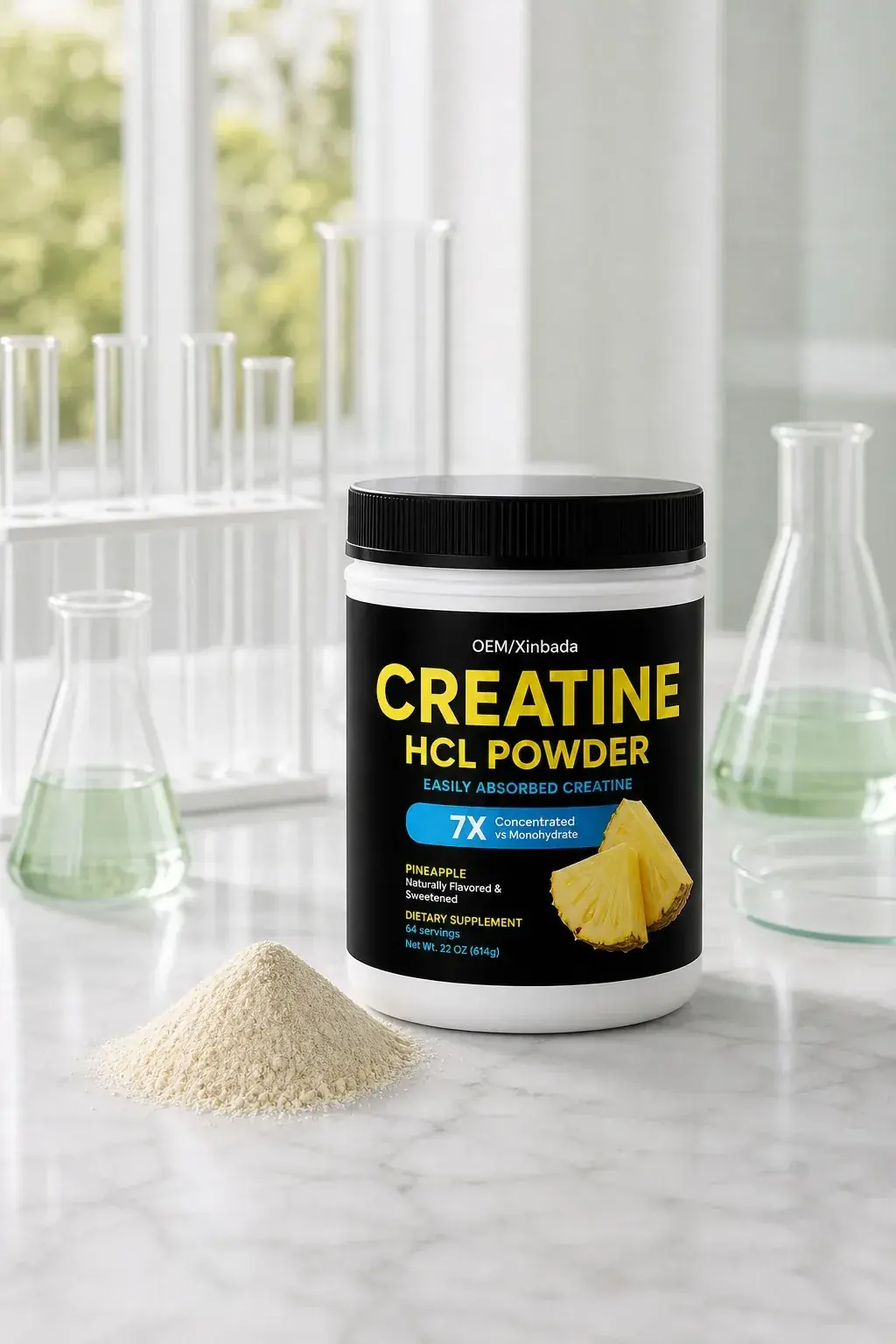
Protein shake manufacturers should be compared by how clearly they translate a formula brief into controlled sourcing, pilot work, production records, and repeatable finished batches. A polished sample is useful, but the stronger signal is an evidence trail that explains what will be made, how variation will be managed, and which decisions still belong to the buyer.
Start With A Manufacturing Brief, Not A Flavor Name
A useful supplier search begins with a document that defines the product before it asks for a price. Protein source, serving concept, sweetener system, flavor direction, allergen constraints, preparation method, pack, and label responsibility can each change the manufacturing route. Separate fixed requirements from development variables and review the supplier’s confirmed OEM and ODM workflow before assuming that formulation, packaging, or artwork support is included.
- Formula and use: protein source, restricted ingredients, serving, liquid, and mixing method.
- Commercial format: pouch, jar, or sachet; carton count; forecast; and destination.
- Evidence boundary: samples, tests, records, and approvals expected before scale-up.
Turn The Brief Into Controlled Inputs
A manufacturer becomes comparable when it maps each requirement to an ingredient specification and approval step. Ask how incoming lots are identified, which substitutions need approval, and how the formula is version-controlled. FDA current good manufacturing practice guidance provides useful background for quality responsibilities, master manufacturing records, and batch records; the supplier must still explain how its system applies to the exact product.
| Decision Point | Evidence To Request | What It Helps Confirm | Buyer Action |
|---|---|---|---|
| Ingredient identity | Specification and lot-document process | Input matches the brief | Approve source or equivalency rule |
| Formula control | Master formula and change procedure | Production uses the approved version | Name revision approvers |
| Pilot evaluation | Sample code and preparation record | Feedback is reproducible | Use one scorecard |
| Batch execution | Batch record and in-process checks | Steps and deviations are traceable | Agree release evidence |
| Pack readiness | Pack specification and line trial | Materials fit the product and line | Approve technical fit |
Use Pilot Work As A Repeatability Test
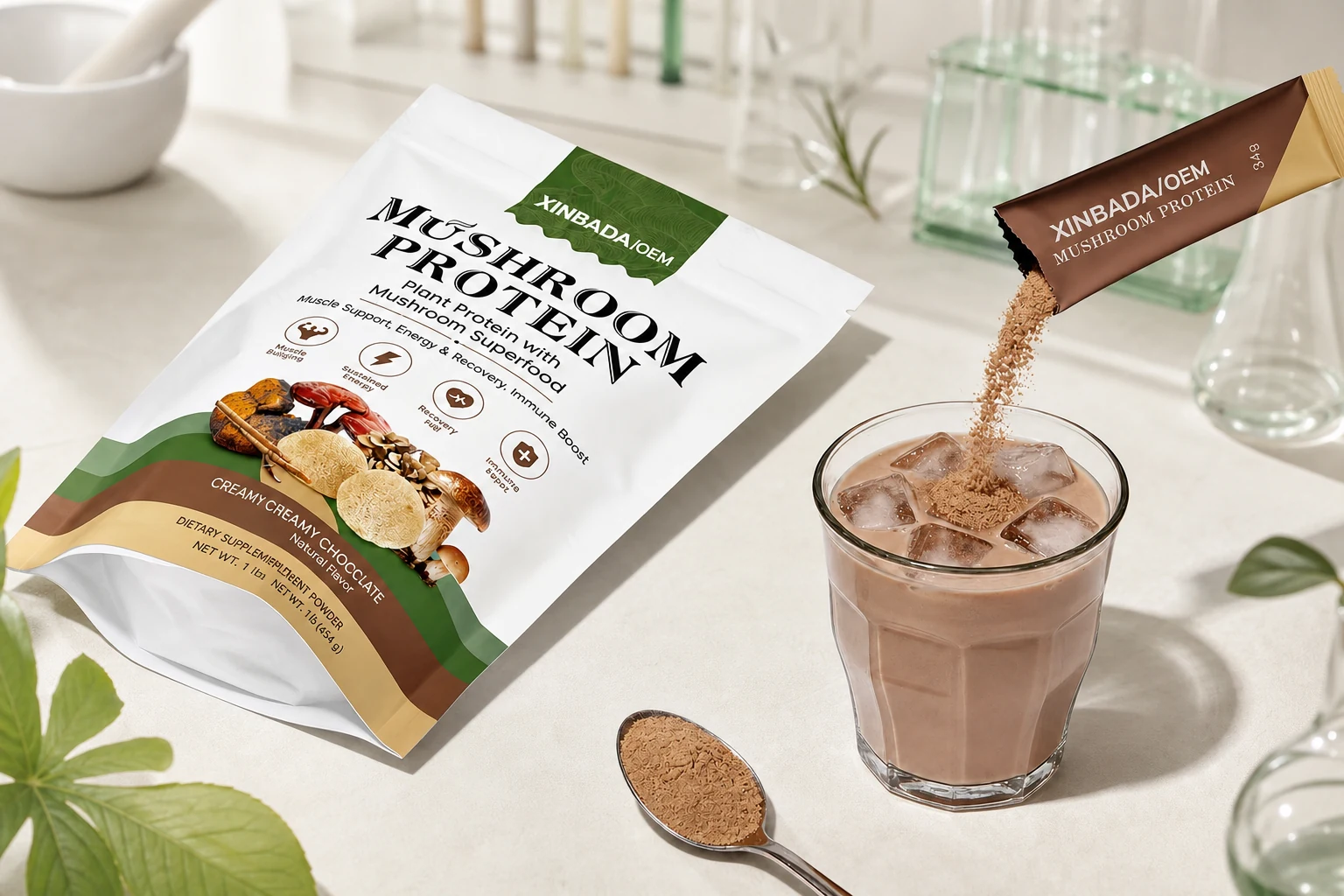
A pilot should test manufacturing logic, not merely deliver a pleasant flavor. Give every sample a code, use one preparation method and scorecard, and close each round with a change log. Liquid volume, shaker type, and mixing time can make identical powders appear different. The site’s mushroom plant protein example combines formula and pack elements; the project-specific version and evidence still need written approval before scale-up.
Connect Formula, Packaging, And Production
Powder and package decisions interact: flow affects filling, density affects volume, and sachets create different seal and dose questions from multi-serving pouches. Request the primary-pack specification, fill basis, coding area, artwork dimensions, and carton configuration. Define whether approval needs a line trial, seal check, or transport-pack review. Do not assume a generic shelf life; dating depends on the formula, pack, storage, route, and evidence.
Compare The Records Behind A Repeatable Batch
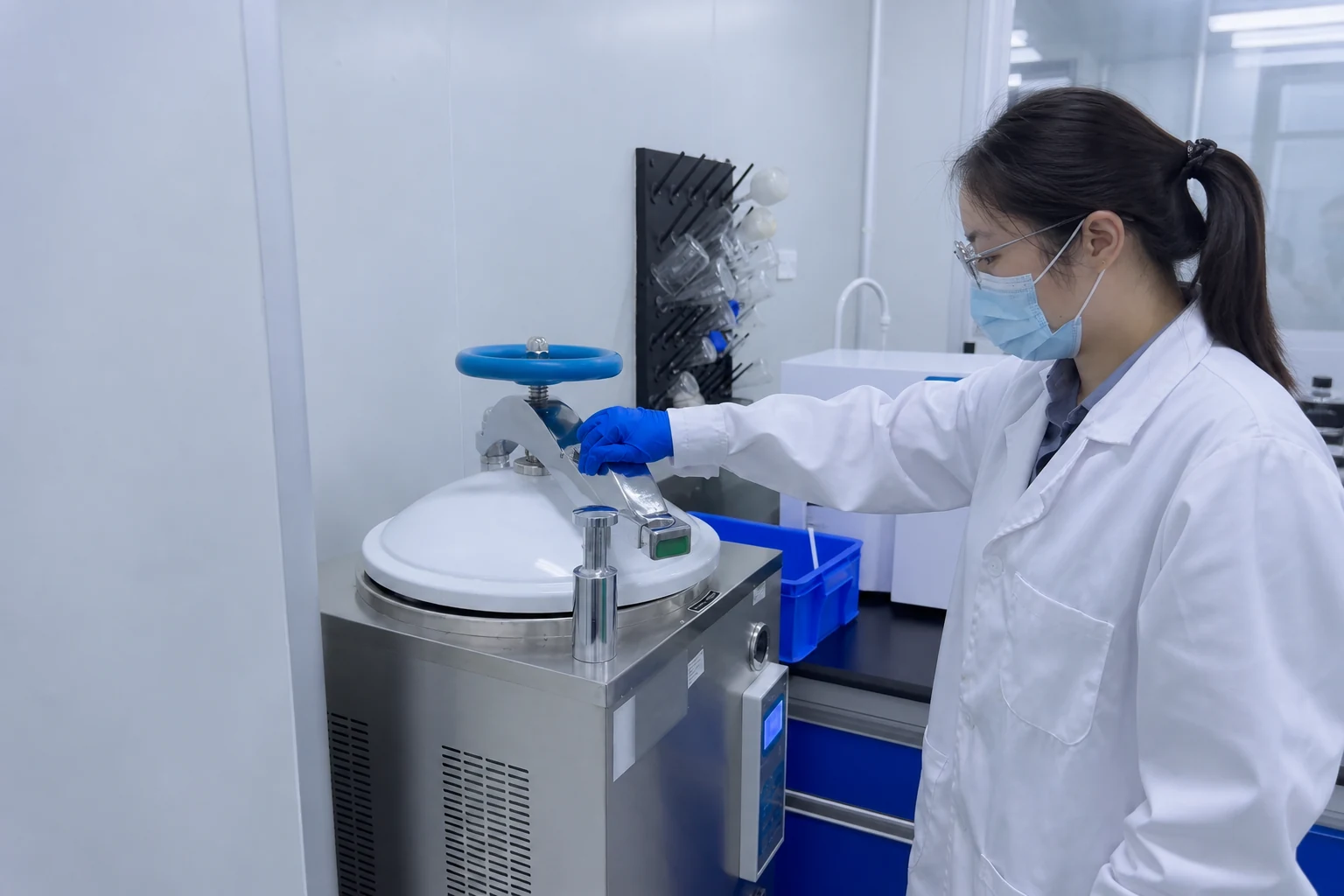
Repeatability requires defined inputs, controlled steps, acceptance criteria, and documented decisions. Ask the manufacturer to walk from material receipt to release, showing where identity, weighing, blend sequence, in-process observations, packaging reconciliation, and deviations are recorded. The site’s production partnership approach can open the discussion, but the final scope must name the formula, pack, responsibilities, checks, and release basis.
A qualified manufacturing proposal should make deviations visible. If a requested ingredient, pack, test, or schedule cannot be met, the supplier should state the alternative and its consequence before the buyer approves it.
Frequently Asked Questions
What should be sent before requesting samples?
Send one version-controlled brief covering formula, restrictions, preparation, serving, pack, forecast, destination, artwork responsibility, and evidence. Mark fixed requirements separately from development variables.
How can two pilot samples be compared fairly?
Use the same liquid, dose, temperature, mixing method, waiting time, and scorecard. Record sample code and formula version, then compare dispersibility, texture, flavor, appearance, and usability.
Does a facility certificate qualify the finished product?
No single facility document proves every formula or pack. Check its scope and connect it to product-specific specifications, records, tests, and approvals.
When should packaging be approved?
Approve final artwork after formula, declarations, pack construction, coding area, dimensions, and technical fit are settled.
What makes a quotation comparable?
Quote the same formula version, pack, quantity basis, testing, documents, delivery basis, and milestones. Record exclusions and substitutions beside price.
To test a shortlist against one controlled project, send the approved formula brief, package format, sample protocol, and evidence requirements through the manufacturer contact form and request that every assumption or deviation be stated in the proposal.